
In the demanding surroundings of oil painting, gas, and chemical processing, where extreme temperatures, high pressures, and sharp fluids are commonplace, hairpin heat exchangers have established themselves as necessary thermal operation results. Also known as double- pipe or U-tube heat exchangers, these robust bias combine exceptional thermal effectiveness with the mechanical strength needed to repel the harsh operating conditions characteristic of heavy artificial operations. Their unique configuration delivers true curve inflow that maximizes heat transfer effectiveness while their compact footmark and modular design give installation inflexibility in space- constrained installations. From upstream oil painting product to downstream refining and throughout chemical manufacturing operations, hairpin heat exchangers play critical places in process heating, cooling, condensing, and heat recovery operations that drive functional effectiveness and profitability.
Understanding Hairpin Heat Exchanger Design
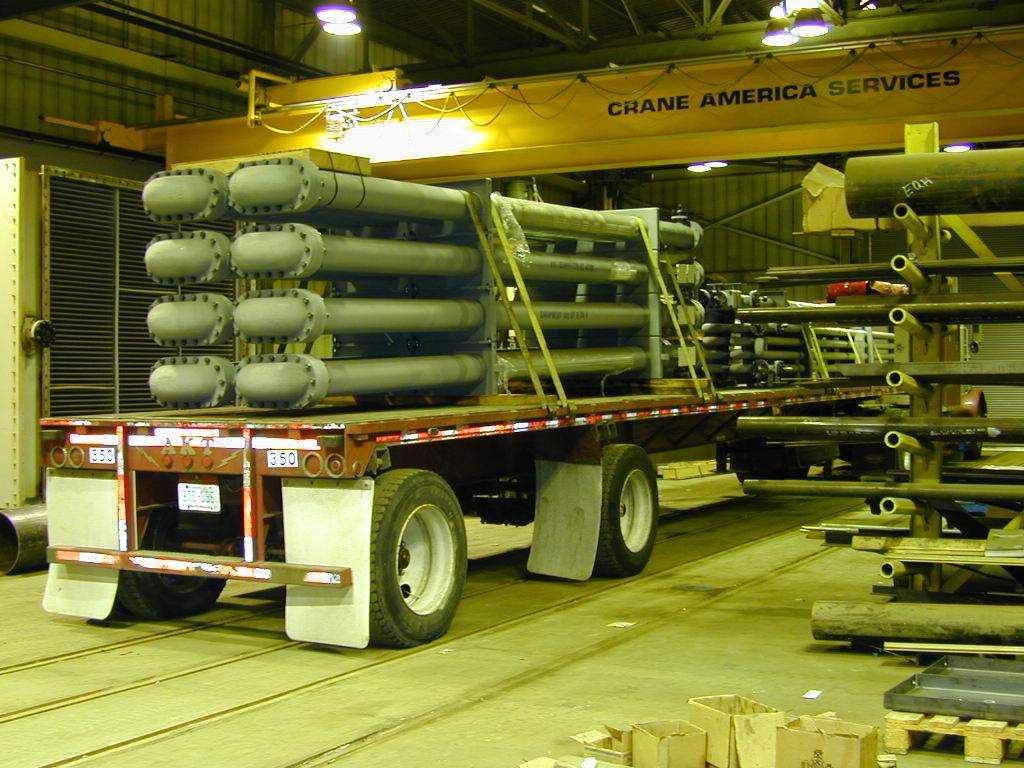
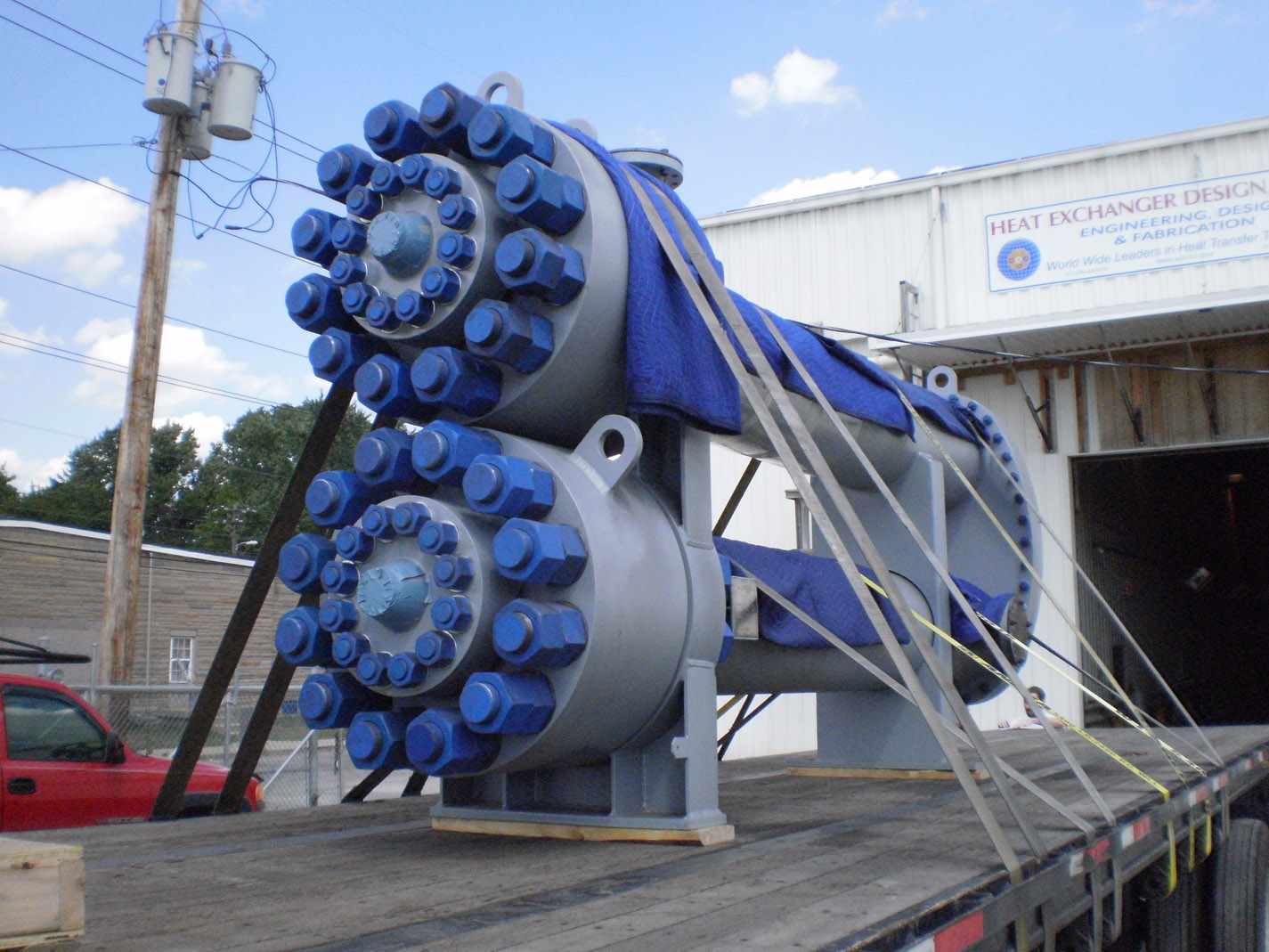
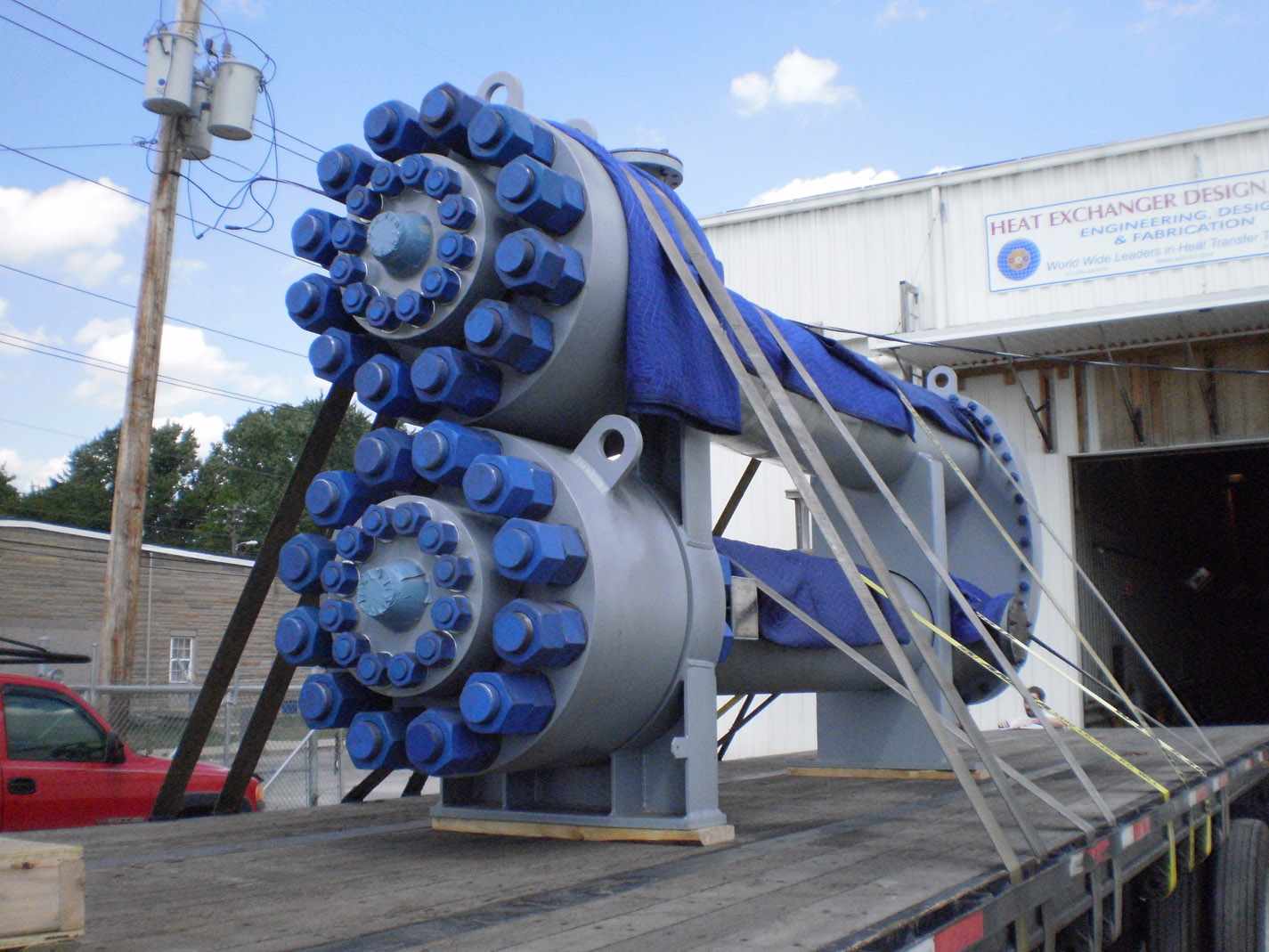
Hairpin heat exchangers correspond of two or further concentric pipes formed into aU-shape, suggesting a hairpin. One fluid flows through the inner pipe( s) while the other flows through the annular space between the inner and external pipes. This configuration creates perfect curve inflow, where fluids travel in contrary directions, maximizing the temperature driving force throughout the exchanger length.
The modular construction allows multiple hairpin sections to be connected in series, precipitously adding heat transfer capacity to meet specific thermal conditions. Each section can be collectively insulated for conservation without shutting down the entire system, furnishing functional inflexibility unapproachable with numerous other heat exchanger types.
The design accommodates both single- tube andmulti-tube configurations. Multi-tube hairpins pack several inner tubes within the external shell, significantly adding heat transfer face area within the same footmark. This versatility enables optimization for operations with varying thermal loads and space constraints.

Advantages in oil painting and Gas operations
High- Pressure Capability
oil painting and gas operations constantly involve pressures exceeding 100 bar, conditions where numerous heat exchanger designs come impracticable or economically prohibitive. The simple figure and robust construction of hairpin heat exchangers enable them to handle pressures up to 400 bar in technical designs, making them ideal for high- pressure operations including font operations, gas contraction, and supercritical fluid processing.
The double- pipe construction innately resists pressure- convinced stresses better than shell- and- tube designs with large- periphery shells. This pressure capability combined with true curve inflow makes hairpins particularly precious in operations taking both high pressure and close approach temperatures.
Thermal Efficiency for Viscous Fluids
Crude oil painting, heavy hydrocarbons, and numerous petroleum products parade high density that creates laminar inflow conditions in conventional heat exchangers, dramatically reducing heat transfer effectiveness. The annular inflow figure in hairpin heat exchangers promotes better heat transfer indeed with thick fluids compared to shell- and- tube druthers .
The capability to configure inflow rapidity singly for the tube side and annular side enables optimization for fluids with dramatically different parcels. High- haste annular inflow can compensate for poor heat transfer characteristics of thick tube- side fluids, maintaining respectable overall performance.
Fouling Resistance and Cleanability
Petroleum processing involves fluids prone to fouling from wax deposit, asphaltene rush, and particulate accumulation. The straight- tube configuration of hairpin exchangers facilitates mechanical cleaning using scrapers or gormandizers, maintaining heat transfer performance over extended operating ages. This cleanability advantage reduces conservation time-out and cleaning costs compared to complex tube pack configurations.
The modular design allows individual hairpin sections to be removed for thorough cleaning or relief while other sections continue operating, minimizing product dislocations in critical processes.

Critical operations in Oil and Gas Processing
Crude Oil Preheating
Refineries use hairpin heat exchangers considerably in crude oil painting preheat trains, recovering heat from hot product aqueducts to preheat incoming crude oil painting before it enters atmospheric distillation units. These duties involve fouling crude oil painting on one side and colorful product aqueducts on the other, frequently at high pressures and temperatures. The cleanability and rugged construction of hairpins make them ideal for this demanding service.
The true curve inflow maximizes heat recovery effectiveness, reducing fired heater energy consumption and perfecting overall refinery energy effectiveness. Multiple hairpin sections in series precipitously toast the crude oil painting, with individual sections fluently insulated for drawing without dismembering the entire preheat train.
Gas Cooling and Condensing
Natural gas processing requires cooling and partial condensation to separate hydrocarbon liquids from gas aqueducts. Hairpin heat exchangers handle these duties at the high pressures typical of font operations and gas processing shops. Their capability to accommodate both sensible cooling and idle heat junking during condensation makes them protean for varied gas processing operations.
In thawed natural gas( LNG) installations, hairpins serve in precooling services where high pressures and cryogenic temperatures demand robust, dependable outfit. Their simple construction minimizes implicit leak paths critical in safety-sensitive LNG operations.
Hydrocarbon Heating and Vaporization
Product outstations and chemical shops use hairpin heat exchangers for hotting heavy energy canvases , asphalt, and other temperature-sensitive hydrocarbons. The capability to control heating rates precisely prevents thermal declination while achieving required temperatures. Brume or hot oil painting flowing through the annulus provides controlled heat input to thick products in the inner tubes.
Vaporizer operations, where liquid hydrocarbons are converted to vapor for combustion or chemical processes, benefit from the hairpin’s capability to handle both liquid and two- phase inflow without vapor binding issues common in other designs.

Chemical Industry Applications
Reactor Feed Preheating
Chemical reactors frequently bear elevated feed temperatures to initiate or sustain responses. Hairpin heat exchangers preheat reactor feeds using available hot aqueducts, reducing external heating conditions. The high- pressure capability accommodates pressurized reactor feeds, while erosion- resistant accoutrements handle aggressive chemicals.
The modular design allows capacity matching to reactor outturn variations, with individual sections added or bypassed as product conditions change. This functional inflexibility supports crusade manufacturing andmulti-product installations.
Product Cooling and Temperature Control
numerous chemical processes produce hot response products taking cooling before downstream processing or storehouse. Hairpin heat exchangers give controlled cooling rates that help unwanted secondary responses or product declination. The curve inflow maintains optimal temperature slants throughout the cooling process.
Temperature-sensitive specialty chemicals profit from the precise temperature control attainable with hairpin designs. The capability to singly acclimate inflow rates on both sides enables fine- tuning of heat transfer rates to match specific product conditions.
Solvent Recovery and Condensing
Chemical shops recover precious detergents through distillation and condensing operations. Hairpin heat exchangers serve as overhead condensers, handling vapor- liquid flows at varying compositions and temperatures. The straight- tube configuration prevents vapor locking that can do inU-tube packets, icing stable condenser operation.
The cleanability advantage proves precious in solvent recovery from fouling process aqueducts. Regular mechanical cleaning maintains condenser performance and solvent recovery rates without extended shutdowns.
Heat Recovery from Waste Aqueducts
Chemical manufacturing generates multitudinous hot waste aqueducts containing recoverable energy. Hairpin heat exchangers capture this waste heat to preheat incoming feeds, reducing mileage consumption and perfecting process economics. The capability to handle fouling waste aqueducts while maintaining reasonable heat transfer makes hairpins practical for operations where other designs would bear inordinate conservation.
Material Selection for Corrosive Services
The oil painting, gas, and chemical diligence constantly handle sharp fluids taking technical accoutrements . Hairpin heat exchangers accommodate colorful metallurgies including carbon sword, pristine sword grades( 304, 316, 316L, 317), duplex and super duplex pristine brands, titanium, Hastelloy, Inconel, and other fantastic blends.
The simple construction minimizes the volume of precious fantastic accoutrements needed compared to large shell- and- tube exchangers, making erosion- resistant hairpins economically feasible for aggressive chemical services. Bimetallic construction, combining carbon sword external pipes with pristine or amalgamation inner tubes, optimizes material costs while furnishing necessary erosion resistance.
Design norms and Quality Assurance
Hairpin heat exchangers for oil painting, gas, and chemical operations are generally designed and fabricated according to honored norms including ASME Section VIII for pressure vessel construction, and may incorporate aspects of TEMA norms for thermal design and mechanical construction. These norms insure outfit meets strict safety and performance conditions for critical artificial services.
Partnering with Endured Manufacturers
Successfully enforcing hairpin heat exchangers in demanding oil painting, gas, and chemical operations requires moxie in thermal design, material selection, fabrication ways, and operation-specific conditions. Working with manufacturers who understand assiduity norms and have proven experience across different operations ensures optimal outfit specification and dependable performance.
When opting high- performance thermal results that meet TEMA heat exchanger norms while delivering the robustness needed for heavy artificial service, partnering with established manufacturers provides significant advantages. Kinetic Engineering’s double- pipe multitube hairpin heat exchangers combine proven designs with advanced engineering to deliver exceptional performance in the most demanding operations. Their comprehensive moxie in material selection, pressure vessel fabrication, and thermal design ensures you admit outfit that meets rigorous assiduity norms while optimizing heat transfer effectiveness. With expansive experience across oil painting, gas, and chemical diligence, they give results that enhance functional trustability, reduce conservation conditions, and support your process optimization objects.
Conclusion
Hairpin heat exchangers have earned their prominent part in oil painting, gas, and chemical diligence through a compelling combination of high-pressure capability, thermal effectiveness, fouling resistance, and functional flexibility. Their capability to deliver dependable performance under extreme conditions while maintaining cleanability and modularity makes them necessary for critical thermal operations throughout these diligence. From upstream product through refining and chemical manufacturing, hairpin heat exchangers contribute to functional effectiveness, energy conservation, and process trustworthiness. As diligence continues pursuing bettered effectiveness and sustainability while managing increasingly grueling process conditions, the robust capabilities of hairpin heat exchanger technology will remain an essential structure supporting artificial operations worldwide.

Write a comment ...