Efficiency and performance are top issues for companies in many different fields in the fast changing industrial scene of today. Leading players in this development are heat transfer products, which are indispensable in many uses from food processing to power generation. These specialist tools guarantee best operational temperatures and energy economy by helping thermal energy to be transferred between media. Significant system efficiency, dependability, and sustainability have resulted from recent technical developments transforming heat management, transportation, and use in industrial environments. The modern heat transfer products that are redefining performance and efficiency standards in many different sectors are investigated in this paper.
Heat Exchanger Technology: Its Evolution
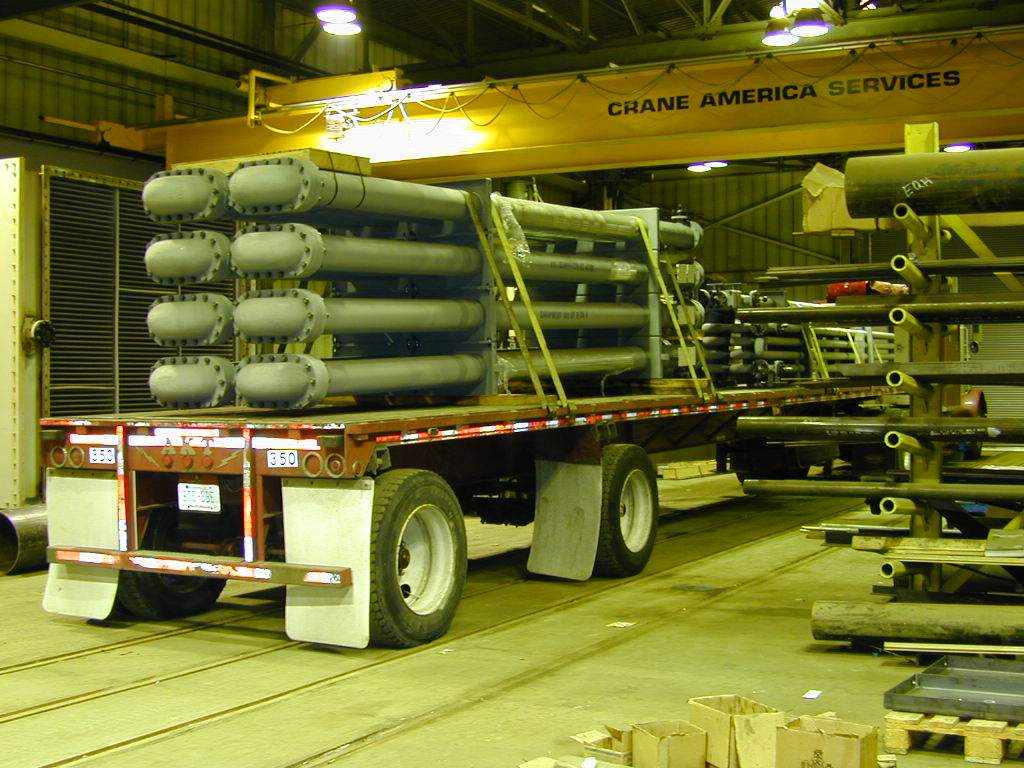
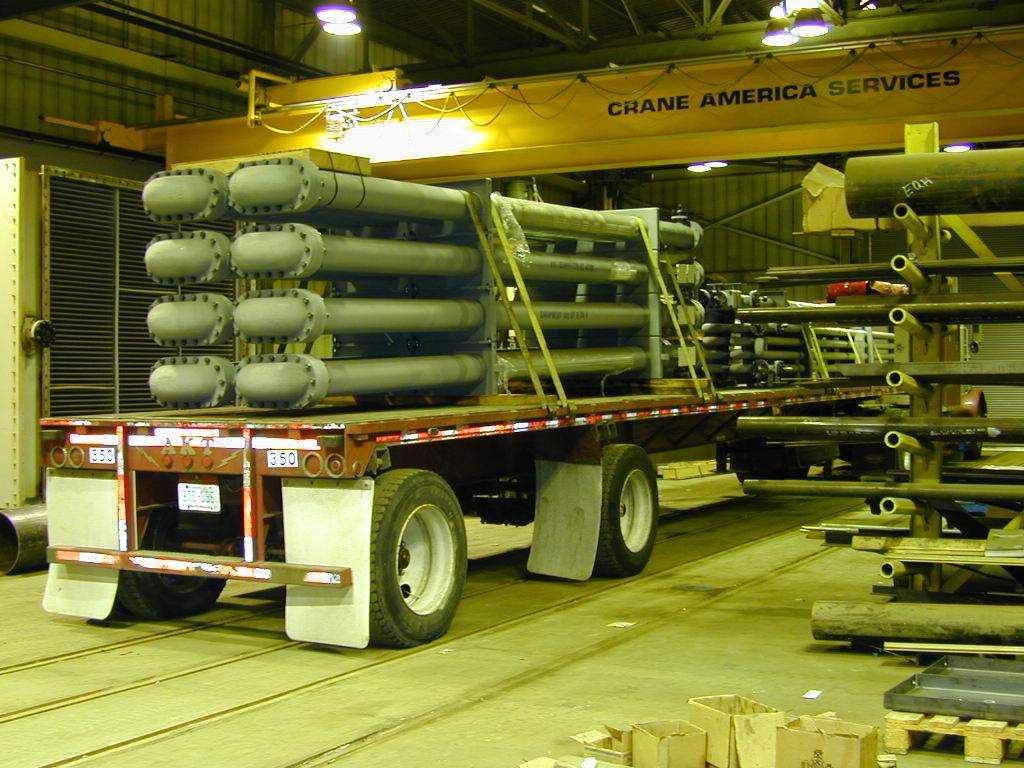
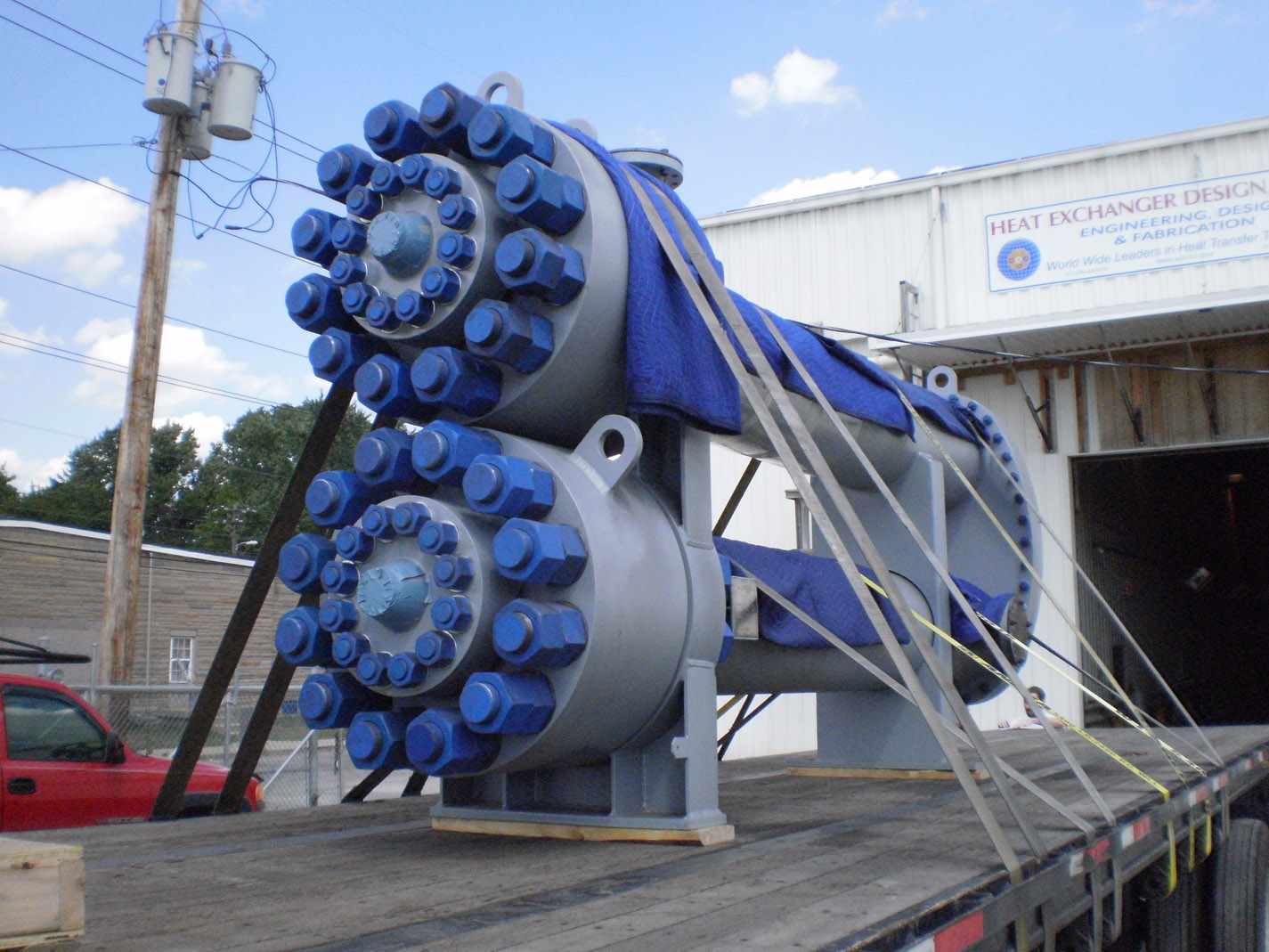
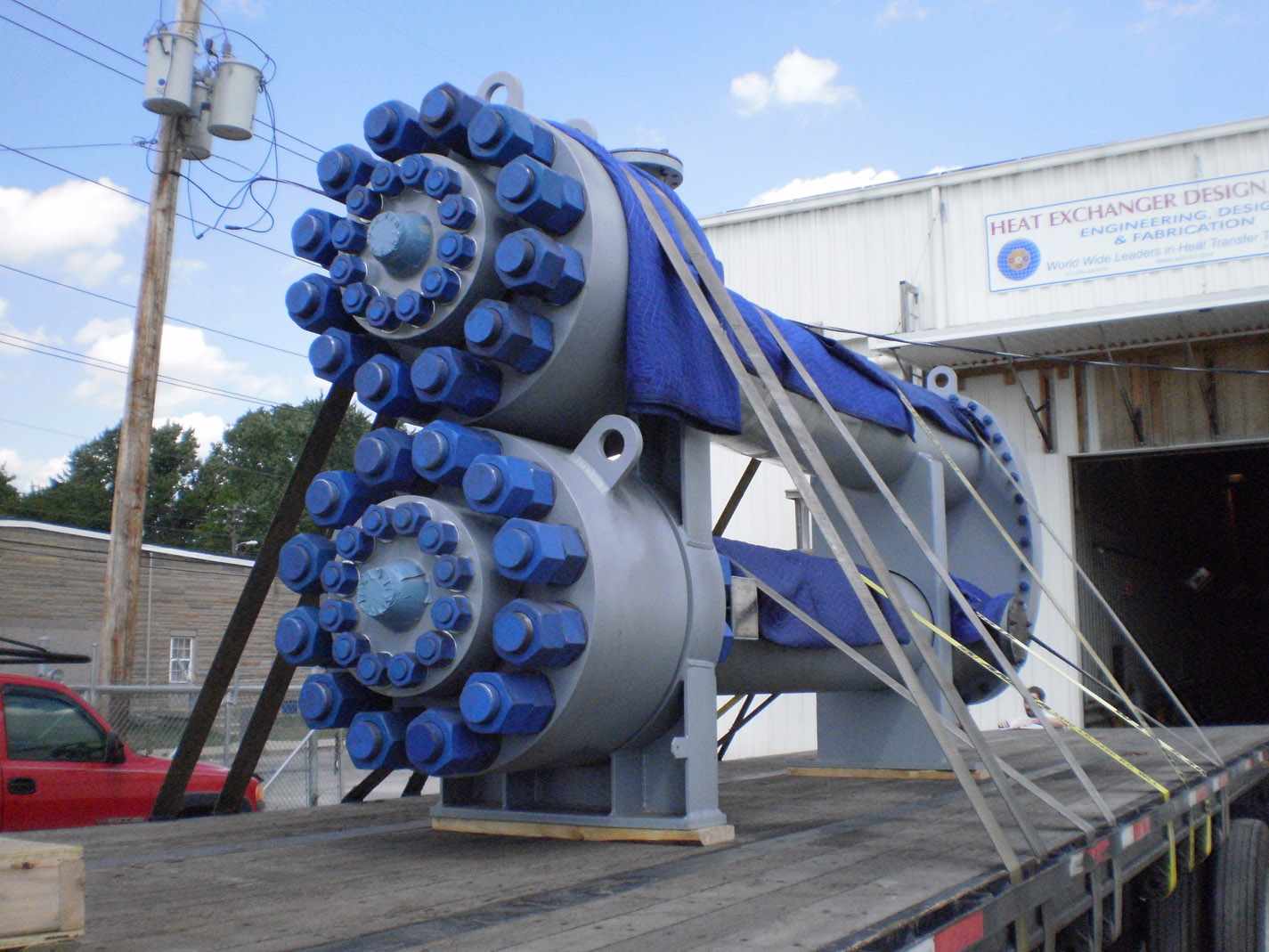
In industrial uses, heat exchangers form the pillar of thermal control systems. Although conventional shell- and- tube designs have long been the industrial norm, new developments have greatly improved their capacity. Advanced materials including titanium alloys and specialty polymers with exceptional corrosion resistance and thermal conductivity are being included into modern heat transfer equipment. These materials enable more demanding settings for heat exchangers to run in while preserving ideal performance levels.

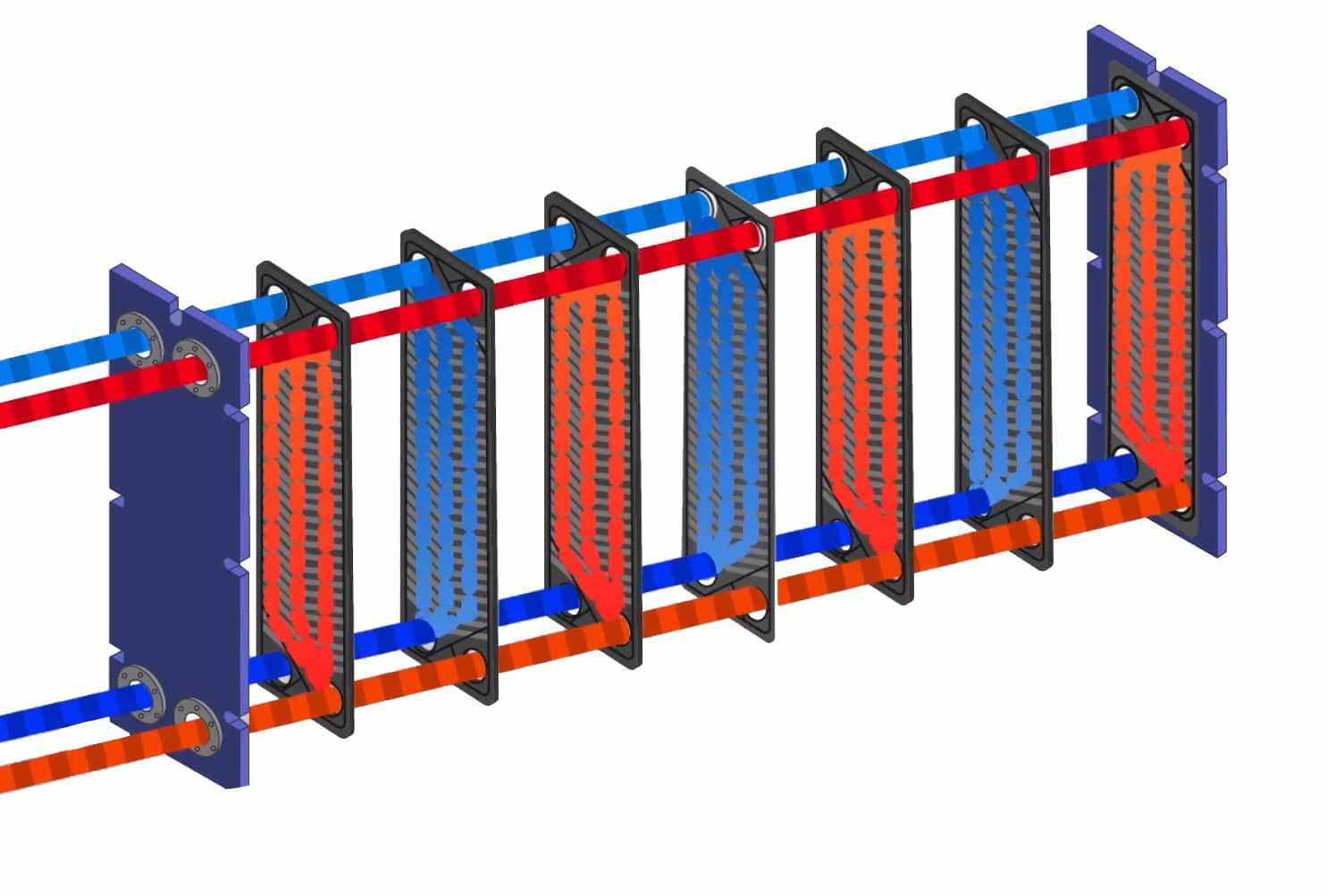
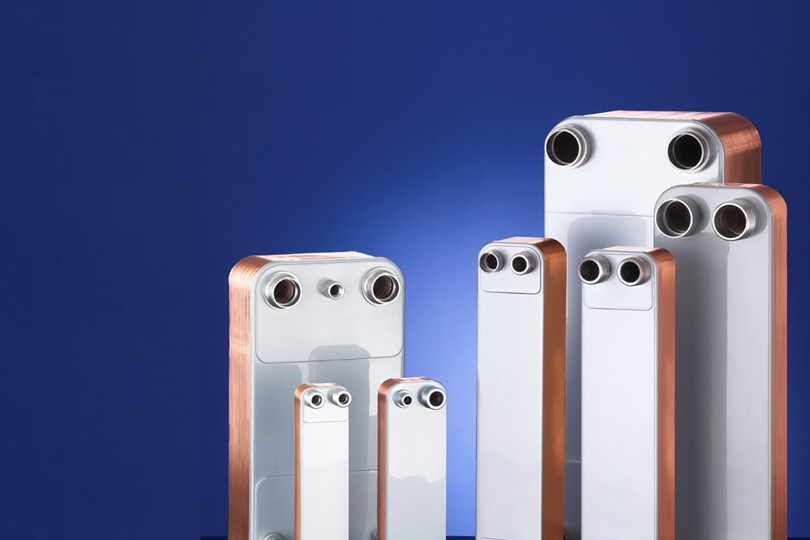
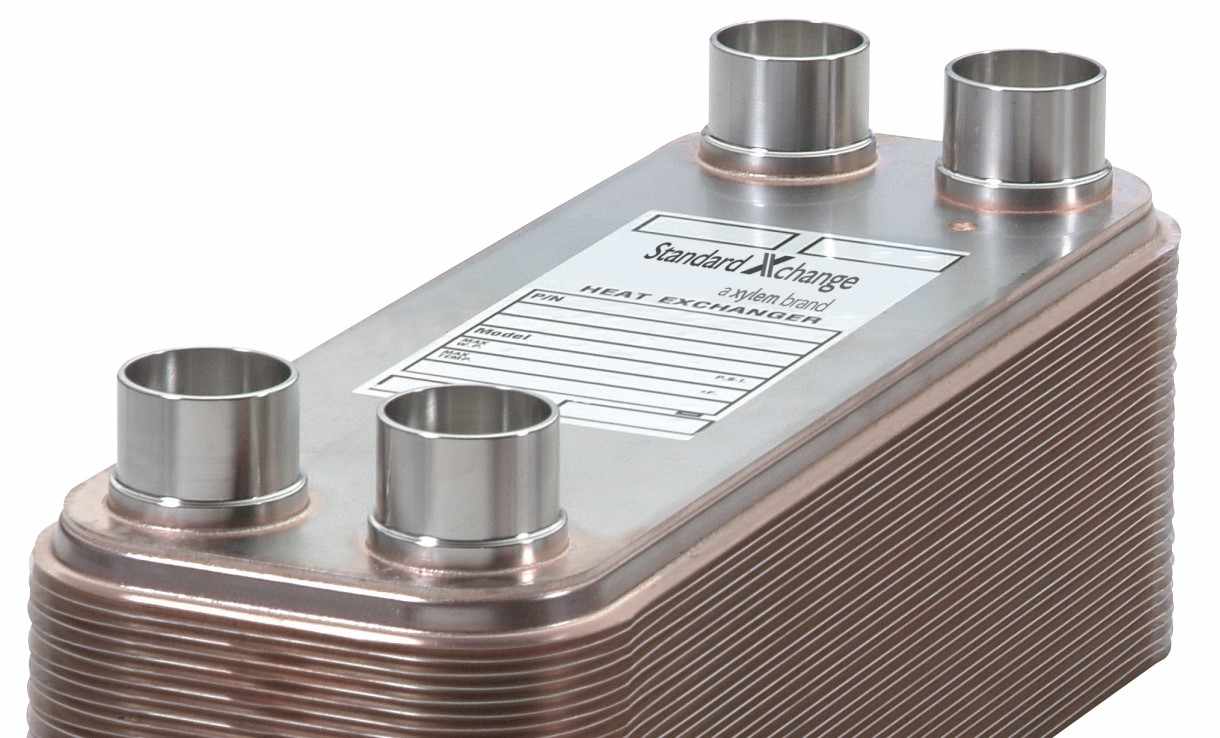
With their far better heat transfer coefficients than their predecessors, compact plate heat exchangers have become industry game-changers. Corrugated plates in these creative designs maximize contact surface area between fluids by producing turbulent flow conditions. These heat transfer solutions are therefore perfect for uses where space restrictions are a factor since the outcome is a remarkable increase in thermal efficiency inside a somewhat smaller footprint.
Still another innovation in the sector are microchannel heat exchangers. These devices have very narrow channels that lower thermal resistance between fluids thereby improving heat transfer rates. Particularly important in applications needing dynamic thermal management capabilities, the compact design enables more exact temperature control and much faster response times.
Artificial intelligence combined in smart heat transfer systems
Intelligent thermal management has arrived with the combination of Internet of Things (IoT) technologies with heat transfer devices. Embedded sensors in modern heat transfer equipment now continuously monitor important parameters including temperature, pressure, flow rates, and fluid quality. By means of this real-time data collecting, operators can keep ideal conditions and spot possible problems before they become major ones.
By examining operational data and automatically changing system parameters to optimal efficiency, artificial intelligence algorithms have improved these capacities even more. Based on performance trends, these self-learning systems may forecast maintenance needs, therefore greatly lowering downtime and prolonging the running lifetime of heat transfer equipment. Predictive maintenance features enable facilities to maximize maintenance schedules depending on real equipment condition instead of arbitrary time intervals, therefore avoiding expensive emergency repairs.
More sophisticated remote monitoring features let operators control heat transfer systems anywhere in the globe. Comprehensive dashboards on cloud-based platforms show system performance data and notify alert operators to any abnormalities. This link guarantees, independent of geographical constraints, always available technical expertise when needed.
Development in Nanofluids for Improved Heat Transfer
Among the most exciting areas in heat transfer technology is the evolution of nanofluids. Suspended nanoparticles used in these specialty fluids greatly enhance heat transfer performance and thermal conductivity. Conventional heat transfer fluids can be used to distribute different nanoparticles, including metals, oxides, and carbon-based compounds, so producing tailored solutions for particular uses.
Research shows that by up to 40% compared to traditional fluids, nanofluids can improve heat transfer coefficients, therefore enabling heat transfer products to reach hitherto unheard-of degrees of efficiency. These fluids' improved thermal conductivity helps systems run with less temperature variations, hence lowering energy usage and extending equipment lifetime. Furthermore, the better heat transfer properties enable the construction of smaller heat exchangers without compromising performance.
From industrial-scale heat recovery systems to high-performance electronics cooling, nanofluids' adaptability qualifies for a broad spectrum of uses. This technology is becoming more and more accessible to a wider spectrum of businesses trying to maximize their thermal management systems as manufacturing methods continue to change and the cost of creating nanofluids on scale is progressively declining.
Sustainability and Energy Recovery in Heat Transfer Applications
Manufacturers have concentrated on creating heat transfer technologies that maximize energy recovery and decrease waste as environmental rules becoming ever more strict and energy prices keep rising. More complex waste heat recovery systems now capture thermal energy that would otherwise be lost and reroute it to other uses where it can be most beneficial.
Phase-change materials able to store and release thermal energy at designated temperature thresholds are currently included into advanced heat transfer devices. By absorbing extra heat at peak production and releasing it as needed, these materials function as thermal batteries, therefore lowering the demand for extra heating or cooling capability. Applications with changing heat loads or intermittent operation especially benefit from this capability.
Modern heat transfer product design has also been shaped by renewable energy integration. Since geothermal heat exchangers and solar thermal collectors have been tuned to run at better efficiency, renewable heating and cooling solutions become more practical substitute for traditional systems. These sustainable technologies greatly lower carbon emissions related to thermal management systems in addition to operating costs.
Specialized heat transfer solutions for demanding surroundings
For heat transfer equipment, extreme operating circumstances provide additional difficulties; this forces creativity in customized solutions meant to survive in demanding surroundings. Heat exchangers able to preserve structural integrity and performance at temperatures above 1000°C are needed in high-temperature uses like metal processing and power generation. Heat transfer products that shine under these challenging conditions were made possible by advanced ceramic and refractory materials.
Likewise, cryogenic uses in sectors including superconductor cooling and LNG processing call for heat exchangers made to run effectively at very low temperatures. Cryogenic heat transfer equipment's performance has been much enhanced by specialized designs including unusual flow layouts and multilayer insulation, therefore lowering energy consumption and increasing system dependability.
Another major obstacle are corrosive surroundings, especially in water treatment and chemical processing uses. Heat transfer goods built from extremely resistant materials including super duplex stainless steels, fluoropolymers, and advanced composite materials result from material science innovations. These materials reduce maintenance needs and contamination hazards while extending device lifetime.
The Direction Heat Transfer Technology Is Taking
Looking forward, a number of newly developed technologies seem to transform the scene of heat transmission. Previously unattainable geometries made possible by additive manufacturing technology are being produced using traditional processes. These complex designs might include internal components maximizing surface area and generating exactly tailored flow patterns, hence greatly improving heat transfer efficiency.

Inspired by natural heat transfer systems seen in biological systems, biomimetic techniques are also becoming popular. Inspired by events including the evaporative cooling systems of plants and the countercurrent heat exchange systems observed in marine mammals, designs have resulted in creative heat transfer devices with amazing performance qualities.
Engineers can forecast heat transfer performance with formerly unheard-of accuracy as computational fluid dynamics modeling gets increasingly complex before actual prototypes are developed. This capacity speeds up the development cycle and enables thorough design optimization free from the expenses and time involved in conventional trial-and-error methods.
Conclusion
The ongoing development in heat transfer technologies has changed the way sectors handle thermal management issues. From smart systems and innovative materials to nanofluids and energy recovery solutions, these technologies have greatly raised the performance criteria for heat transfer equipment in all kinds of fields. Even more amazing changes in the next years are expected as manufacturers and engineers keep stretching the limits of what is feasible. Working with a forward-looking supplier like Kinetic Engineering Corporation guarantees access to the newest developments in heat transfer technology, so positioning companies for success in an increasingly competitive worldwide environment for sectors looking to maximize efficiency, dependability, and sustainability in their thermal management systems.

Write a comment ...