
Air-Cooled vs Fin Fan Heat Exchangers
In artificial processes where temperature control is critical, heat exchangers play an essential part in maintaining functional effectiveness and safety. Among the colorful cooling technologies available, fin addict heat exchangers have come decreasingly popular across diligence similar as oil painting and gas, petrochemical, power generation, and manufacturing. still, numerous people use the terms "air- cooled heat exchangers" and "fin addict heat exchangers" interchangeably, leading to confusion about whether these are different technologies or simply different names for the same outfit. Understanding the distinction — or lack thereof is pivotal for masterminds, factory directors, and procurement professionals making opinions about cooling systems.
Understanding the language
The verity is that" air- cooled heat exchangers" and" fin addict heat exchangers" are basically the same technology, with the terms being used interchangeably in the assiduity. The confusion arises from indigenous preferences, manufacturer language, and literal picking conventions. Both terms relate to heat exchange outfit that uses ambient air as the cooling medium, rather than water or other liquids.
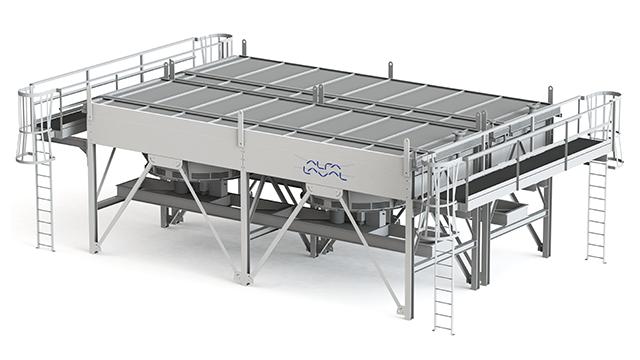
The term" fin addict" specifically highlights two crucial factors of these systems the finned tubes that maximize heat transfer face area, and the suckers that force or induce air inflow across these tubes. This descriptive name came popular because it directly references the outfit's most distinctive features. Meanwhile," air- cooled heat exchanger" is a more general term that emphasizes the cooling medium being used.
How These toast Exchangers Work
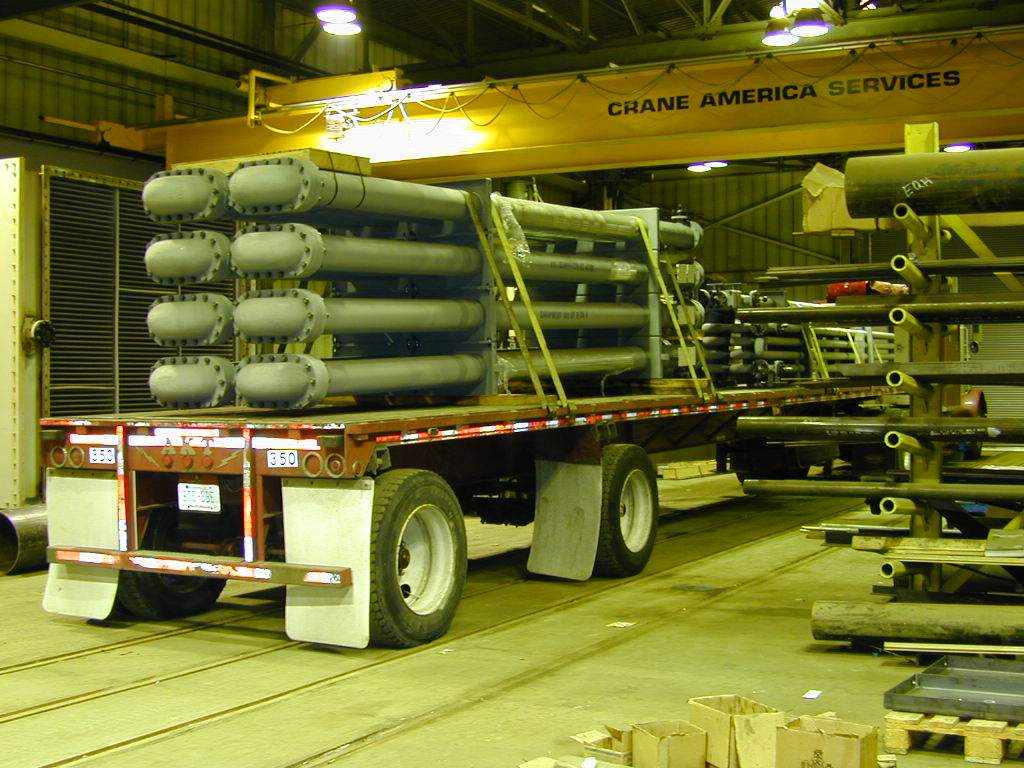
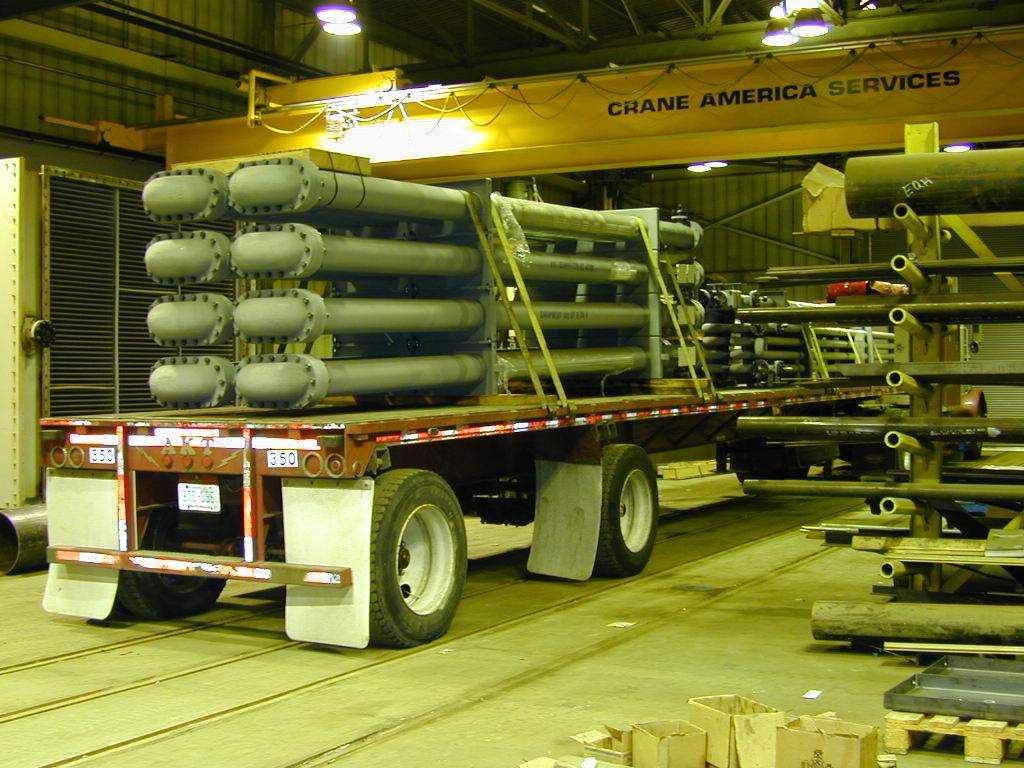
Anyhow of which term you use, the operating principle remains the same. Hot process fluid flows through tubes while air passes over the surface face of these tubes, carrying heat down. The tubes are equipped with fins — thin essence extensions that dramatically increase the face area available for heat transfer. This finned design is necessary because air has much lower heat transfer portions compared to water, meaning you need further face area to achieve effective cooling.
The air movement can be generated in two ways forced draft or convinced draft. In forced draft systems, suckers are located below the tube pack and push air overhead through the fins. In convinced draft configurations, suckers are deposited above the tube pack and pull air through. Each configuration has advantages depending on the operation, ambient conditions, and space constraints.
Crucial Advantages of Air- Cooled Systems
One of the primary benefits of using air- cooled technology is the elimination of water consumption. In regions where water is scarce or precious, or in installations where water treatment costs are prohibitive, air- cooled systems offer a sustainable and provident volition. This environmental advantage has come decreasingly important as diligence face stricter regulations and sustainability authorizations.
Another significant advantage is reduced conservation complexity. Water- cooled systems bear ongoing attention to help scaling, erosion, and natural growth. They also need water treatment programs, cooling palace conservation, and regular cleaning. Air- cooled units, while not conservation-free, generally bear lower ferocious keep — primarily conforming of addict motor conservation, periodic fin cleaning, and tube examination.
Air- cooled heat exchangers also offer inflexibility in placement. They can be installed at ground position, on pipe racks, or on structures, giving masterminds more options for optimizing factory layout. This inflexibility can be particularly precious in retrofits or expansions where space is limited.
Considerations and Limitations
Despite their advantages, air- cooled systems have limitations that must be considered. Their cooling performance is directly dependent on ambient air temperature, meaning their effectiveness decreases during hot rainfall when cooling demand is frequently loftiest. In discrepancy, water- cooled systems can maintain further harmonious performance across varying ambient conditions.
Air- cooled units also generally bear more physical space than original water- cooled systems due to the lower heat transfer effectiveness of air. The large face area demanded for effective heat transfer translates into bigger, largish outfit. also, the suckers consume electrical power, and in veritably large installations, this energy consumption can be significant.
Noise is another consideration. The suckers in these systems induce sound that may bear mitigation measures in certain surroundings, particularly near domestic areas or in installations with strict noise regulations.
Operations Across diligence
Air- cooled and fin addict heat exchangers find operations across multitudinous diligence. In oil painting refineries, they cool colorful process aqueducts including overhead vapors, pump- around circuits, and product aqueducts. In natural gas processing shops, they are essential for cooling compressed gas and colorful hydrocarbon aqueducts.
Power generation installations use these systems for cooling slicking oil painting, hydrogen, and colorful supplementary cooling operations. Chemical shops employ them for reactor cooling, solvent compacting, and general process cooling duties. Their versatility and trustability have made them necessary in ultramodern artificial operations.
Choosing the Right Partner for Your Heat Exchange Needs
When opting cooling outfit for artificial operations, partnering with an educated and dependable manufacturer is pivotal. Kinetic Engineering specializes in designing and manufacturing high- quality heat exchanger results acclimatized to specific assiduity conditions. With moxie in thermal engineering and a commitment to quality, they give outfit that delivers effective, dependable performance across different operating conditions. Whether you are planning a new installation, seeking to upgrade being outfit, or need expert discussion on the optimal cooling result for your process, working with established manufacturers ensures you admit outfit finagled to the loftiest norms.
Conclusion
The debate between" air- cooled" and" fin addict" heat exchangers is largely semantic they relate to the same technology using medium air to cool process fluids through finned tube packets and addict- driven air inflow. The choice of language frequently reflects indigenous preferences or assiduity conventions rather than any specialized distinction.
What matters most is understanding how these systems work, their advantages in barring water consumption and reducing conservation, and their limitations regarding ambient temperature reliance and space conditions. By feting both the capabilities and constraints of this technology, masterminds and decision- makers can determine when air- cooled systems are the optimal choice for their specific operations.
As diligence continue prioritizing sustainability and functional effectiveness, air- cooled heat exchangers will remain a vital element of artificial cooling strategies, offering proven technology that balances performance, economics, and environmental responsibility.

Write a comment ...