
The elaboration of Compact Heat Transfer Technology
In the constantly evolving geography of artificial thermal operation, the demand for effective, compact, and dependable heat transfer results continues to grow across different operations and diligence. Brazed plate heat exchangers have surfaced as a transformative technology that addresses these demands through innovative design, superior performance characteristics, and remarkable versatility. Unlike traditional shell- and- tube designs or gasketed plate configurations, brazed plate heat exchangers use a unique construction system where thin corrugated pristine sword plates are permanently joined using bobby or nickel brazing, creating a compact, leak- evidence unit able of handling demanding thermal transfer operations. This revolutionary approach to heat exchanger design has opened new possibilities for operations ranging from HVAC systems and refrigeration to artificial process cooling and renewable energy systems, delivering exceptional thermal effectiveness in remarkably small vestiges while maintaining continuity and trustability that meets the rigorous demands of ultramodern artificial operations.
Construction and Design Principles
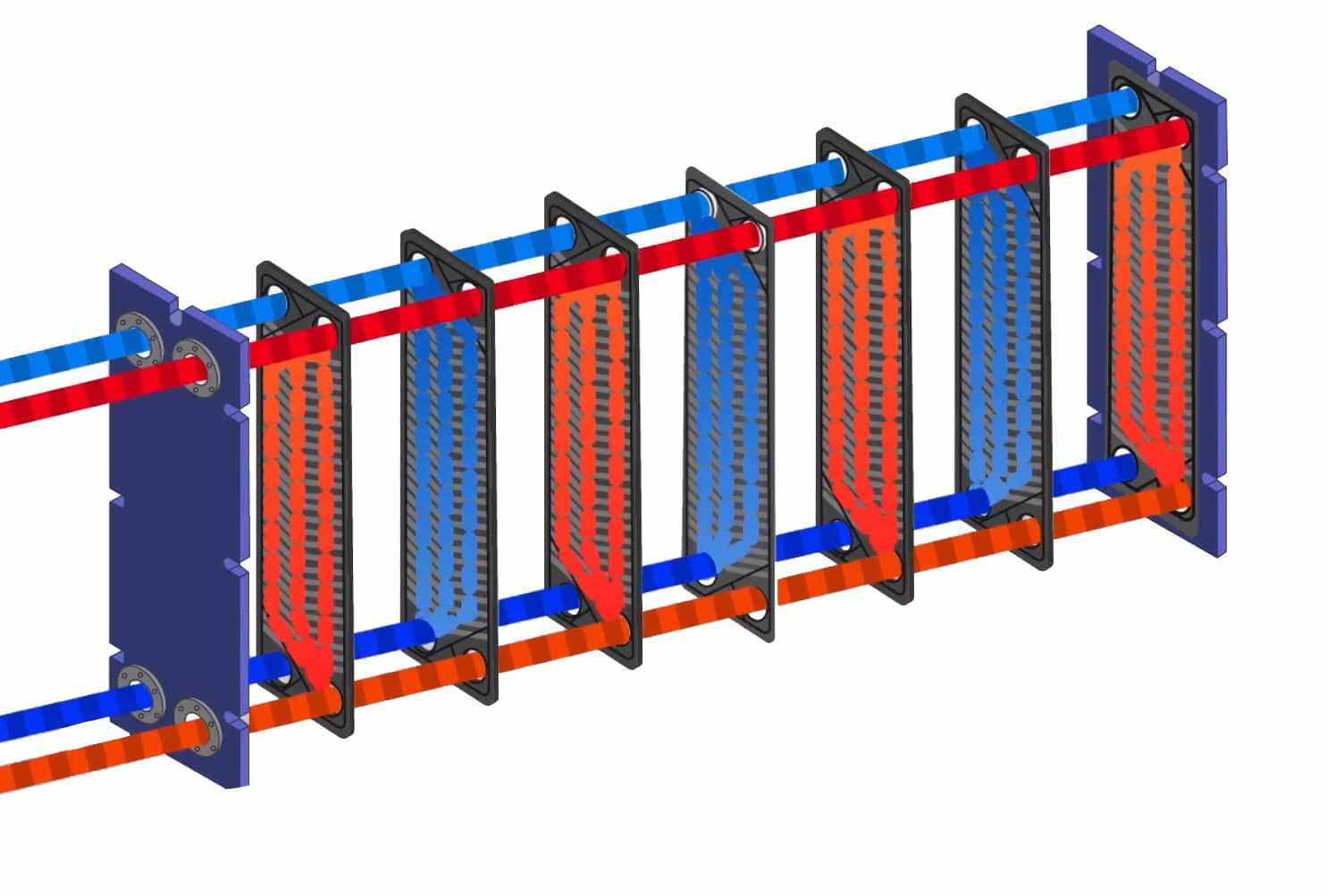
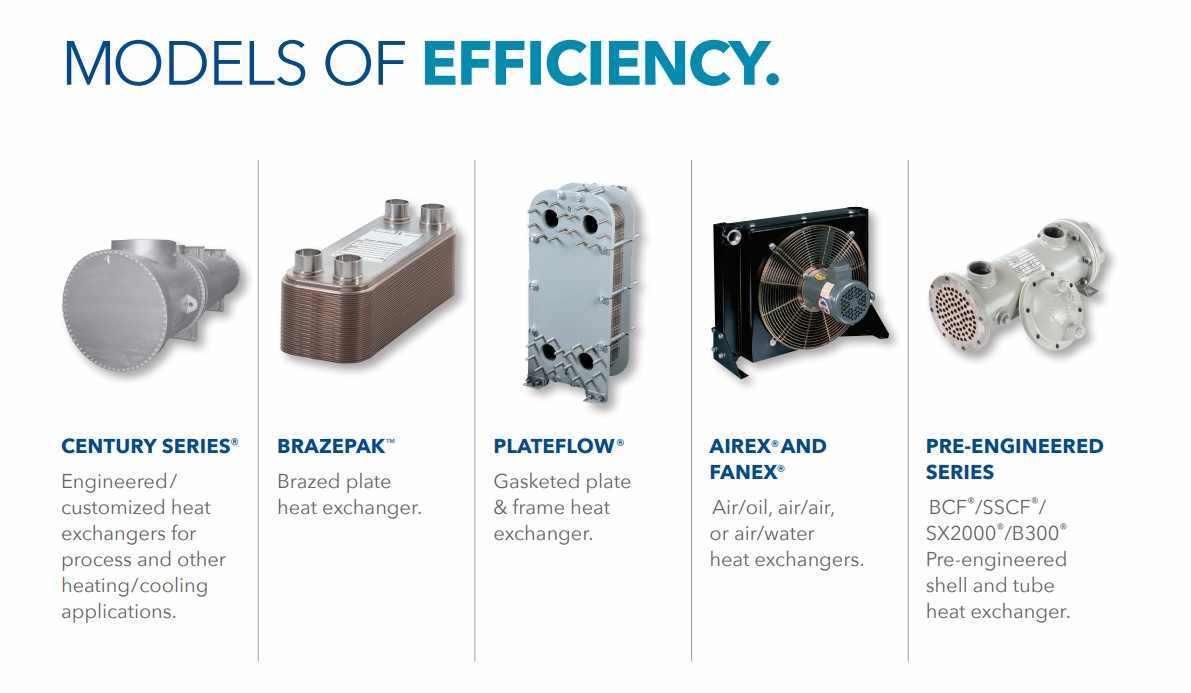
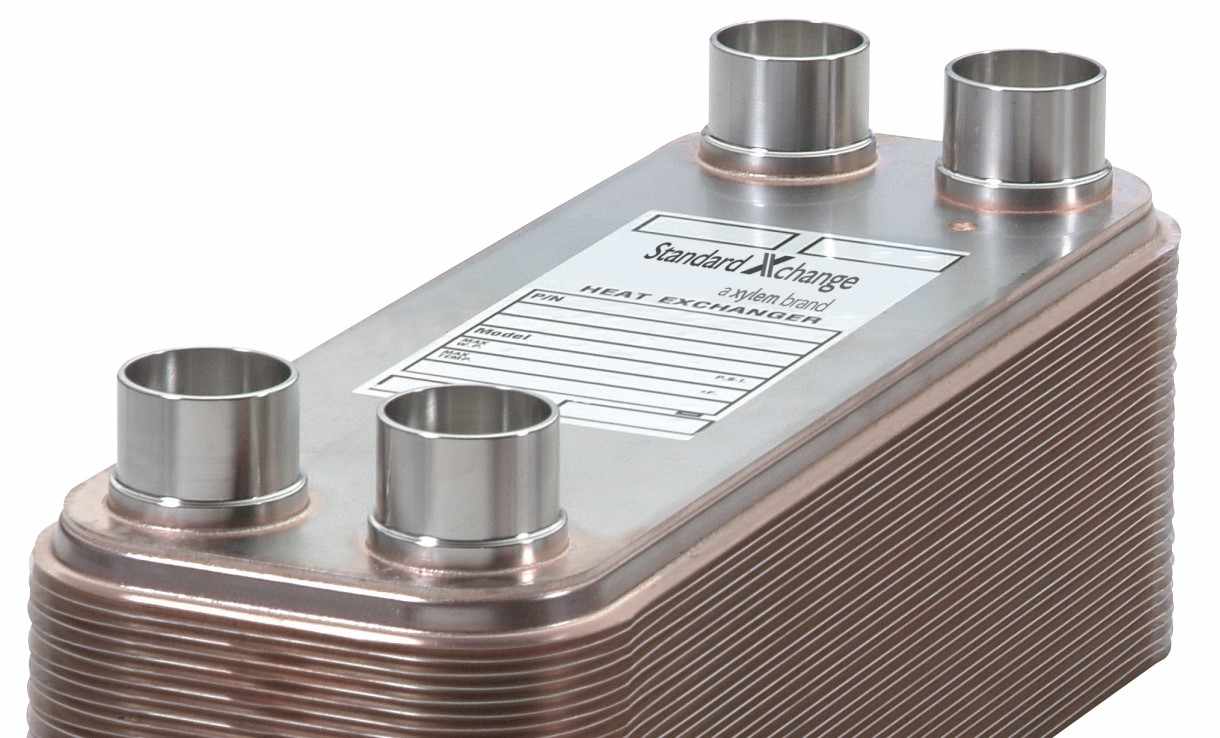
The abecedarian construction of brazed plate heat exchangers distinguishes them from other heat transfer technologies. The manufacturing process begins with perfection- stamped pristine sword plates featuring precisely finagled corrugation patterns. These plates are piled alternatively with thin bobby or nickel brazing material between each subcaste, creating channels for two fluid aqueducts to inflow in interspersing passages. The entire assembly is also hotted in a controlled furnace atmosphere, causing the brazing material to melt and form endless metallurgical bonds at all contact points between plates.
This brazing process eliminates the need for gaskets, frames, and tensing bolts needed in gasketed plate heat exchangers, performing in a fully sealed, compact unit with no implicit leak paths. The corrugated pattern of the plates creates turbulent inflow conditions that significantly enhance heat transfer portions compared to smooth shells, while the thin pristine sword plates give minimum thermal resistance between hot and cold fluid aqueducts.
The compact design achieves remarkable thermal performance in minimum space. A typical brazed plate heat exchanger can deliver the same heat transfer capacity as a shell- and- tube unit ten times its size, making these exchangers ideal for operations where space constraints present challenges. The high turbulence generated by plate corrugations also provides some tone- drawing action, reducing fouling tendencies compared to designs with low- haste inflow regions.

Crucial Advantages Over Traditional Heat Transfer outfit
Brazed plate heat exchangers offer multitudinous advantages that have driven their wide relinquishment across diligence. The compact size and featherlight construction simplify installation, reduce structural support conditions, and enable operations in space- limited surroundings where traditional outfit can not fit. A unit importing 50 pounds might replace a shell- and- tube exchanger importing several hundred pounds while delivering original or superior thermal performance.
The elimination of gaskets removes a common failure point and conservation demand. Gasketed heat exchangers bear periodic gasket examination and relief to help leaks, while brazed units maintain integrity indefinitely under proper operating conditions. This gasket-free construction also enables operation at advanced pressures than gasketed designs, with numerous brazed plate exchangers rated for pressures exceeding 400 PSIG.
Thermal effectiveness represents another significant advantage. The thin plates, high turbulence, and true counterflow configuration enable close temperature approaches between bay and outlet aqueducts. This effectiveness translates directly into energy savings, reduced operating costs, and bettered process performance. In refrigeration operations, the superior heat transfer characteristics of brazed plate evaporators and condensers can ameliorate system effectiveness by 10- 20 compared to traditional coil designs.
The each- pristine sword and bobby or nickel construction provides excellent erosion resistance for numerous common fluids including water, glycol results, refrigerants, and colorful process fluids. The accoutrements repel aggressive cleaning chemicals, allowing effective descaling and sanitization when necessary. For operations taking superior erosion resistance, nickel- brazed performances accommodate more aggressive chemicals and advanced temperatures than bobby - brazed models.
Artificial operations and Use Cases
Brazed plate heat exchangers serve critical functions across nearly every major artificial sector. In HVAC systems, they serve as effective heat exchangers for heating and cooling operations, handling stupefied water distribution, hot water heating, and heat recovery from ventilation systems. Their compact size enables integration into packaged HVAC outfit and build installations where space limitations help use of larger exchangers.
Refrigeration and heat pump systems decreasingly calculate on brazed plate technology for evaporators, condensers, prodigals, and subcoolers. The enhanced heat transfer performance enables further compact refrigeration outfit with bettered energy effectiveness. Artificial refrigeration installations use large brazed plate exchangers for process cooling, while domestic and light marketable heat pumps incorporate lower units for space exertion.
Artificial process operations include cooling and hotting for chemical reactors, temperature control in food and libation product, pharmaceutical manufacturing process cooling, and hydraulic oil painting cooling in manufacturing outfit. The capability to handle thick fluids, achieve precise temperature control, and operate reliably in demanding conditions makes brazed plate exchangers precious across different manufacturing surroundings.
Solar thermal systems and quarter heating networks use brazed plate exchangers for transferring heat between solar collectors and storehouse systems, or between primary heating circles and erecting distribution systems. The high effectiveness and compact size prove particularly precious in renewable energy operations where maximizing heat transfer effectiveness directly impacts system performance and profitable viability.
Marine and coastal operations profit from the erosion- resistant construction and compact design. Machine cooling systems, cargo water treatment, and coastal platform HVAC systems constantly incorporate brazed plate exchangers that repel harsh saltwater surroundings while delivering dependable performance in space- constrained installations.

Selection Considerations and Sizing
duly opting and sizing brazed plate heat exchangers requires understanding several critical parameters. Heat duty, expressed in BTU/ hr or kW, defines the total thermal energy transfer needed. Flow rates for both hot and cold aqueducts affect pressure drop and heat transfer performance. Inlet and outlet temperatures for both aqueducts determine the temperature biographies and approach temperatures attainable. Operating pressures and outside/ minimum temperatures establish material selection conditions and design limitations.
Fluid parcels including density, viscosity, specific heat, and thermal conductivity directly impact heat transfer computations and pressure drop prognostications. Chemical comity between fluids and exchanger accoutrements must be vindicated to help erosion failures. Fouling tendencies of process fluids impact whether brazed plate designs will maintain performance or bear frequent cleaning.
Manufacturers give selection software and specialized support to duly size units grounded on these parameters. Oversizing exchangers wastes capital investment and may beget functional problems, while undersizing results in shy heat transfer and performance faults. Professional engineering analysis ensures optimal outfit selection for specific operations.
Sourcing Quality Brazed Plate Heat Exchangers
The performance and life of brazed plate heat exchangers depend significantly on manufacturing quality, design engineering, and material specifications. Working with educated suppliers who understand operation conditions and give duly finagled results ensures successful installations and long- term trustability.
For professionals seeking high- quality brazed plate results backed by specialized moxie and proven performance across different operations, exploring options provides access to comprehensive heat exchanger results designed for demanding artificial service. Quality outfit from knowledgeable suppliers supports optimal system performance and dependable operation throughout outfit service life.
Conservation and functional Considerations
While brazed plate heat exchangers bear minimum conservation compared to gasketed designs, proper operation and occasional service maintain peak performance. Monitoring pressure drops across both fluid sides provides early suggestion of fouling or flow restrictions. Gradational pressure drop increases signal developing deposits taking drawing attention.
Temperature monitoring verifies heat transfer performance remains within specifications. Declining outlet temperatures or reduced temperature differences indicate fouling, scaling, or other performance declination taking disquisition. Regular performance logging establishes birth data for detecting gradational deterioration.
When drawing becomes necessary, chemical rotation drawing effectively removes mineral scale, natural fouling, and other deposits. opting applicable cleaning chemicals and following manufacturer protocols prevents damage while restoring performance. Some installations incorporate automatic chemical drawing systems that periodically circulate drawing results through exchangers without disassembly.
Unborn Developments and Arising operations
Brazed plate heat exchanger technology continues evolving with new accoutrements , enhanced plate shapes, and expanding operations. Advanced brazing blends extend temperature and erosion resistance capabilities. Computational fluid dynamics optimization produces plate patterns with advanced thermal performance and reduced pressure drops. As diligence pursue lesser energy effectiveness and outfit miniaturization, brazed plate technology decreasingly replaces traditional outfit across new operations.
Conclusion
Brazed plate heat exchangers represent mature yet continuously advancing technology that delivers exceptional thermal performance, compact size, and dependable operation across different artificial operations. Understanding their construction principles, feting applicable operations, and duly opting outfit enables masterminds and installation directors to optimize system performance while controlling costs and space conditions. As artificial processes demand ever-lesser effectiveness and conciseness, brazed plate heat exchangers give proven results meeting these challenges while delivering the reliable performance ultramodern manufacturing requires.


Write a comment ...