
In ultramodern artificial processes, effective heat transfer is essential for maintaining product quality, reducing energy consumption, and icing safety. One of the most protean results for high-temperature operations is thermal fluid heaters. These systems give a dependable and controllable means of heating fluids to precise temperatures, enabling diligence to optimize energy use and maintain harmonious process conditions. From chemical processing and food product to power generation and medicinals, thermal fluid heaters have come an necessary part of numerous artificial setups. Understanding what these systems are, how they operate, and the advantages they offer can help businesses elect the right result for their heating conditions.
What Are Thermal Fluid Heaters?
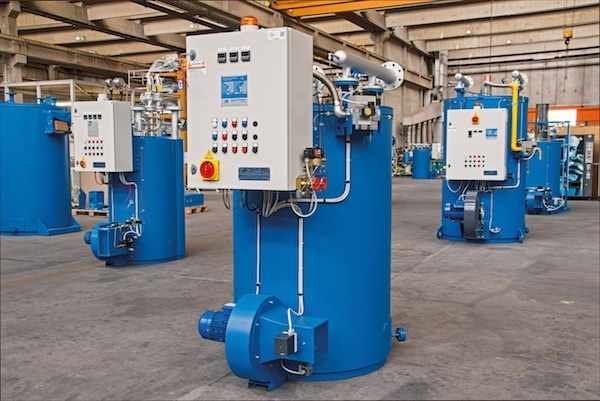
Thermal fluid heaters are unrestricted-circle heating systems designed to toast a circulating fluid, frequently appertained to as a heat transfer fluid (HTF). The heated fluid transfers thermal energy to artificial processes or outfit through a network of pipes, radiators, or heat exchangers. Unlike brume boilers, which calculate on the generation of high-pressure brume, thermal fluid heaters can achieve high temperatures without operating under significant pressure, making them safer and further compact.
Common Heat Transfer Fluids
Thermal fluid heaters use a variety of heat transfer fluids depending on the operation
Mineral Canvases – Extensively used due to their stability and moderate cost.
Synthetic Canvases – Offer advanced temperature forbearance and lower density for bettered effectiveness.
Glycol-Grounded Fluids – Used in operations where snap protection is needed.
Specialty Fluids – Designed for extreme temperatures or chemical comity.
The choice of fluid impacts the heater's performance, conservation conditions, and overall system effectiveness.

How Thermal Fluid Heaters Work
Thermal fluid heaters operate on a simple principle energy from a energy source is transferred to a circulating fluid, which also delivers heat to the asked process. The system generally includes several crucial factors that work together to insure effective and safe operation.
1. Heat Source
The heat source provides energy to raise the temperature of the circulating fluid. Common heat sources include
Fossil Energies – Natural gas, diesel, or heavy oil painting-fired burners.
Electric Heaters – Resistive heating rudiments for precise control in lower systems.
Waste Heat Recovery – Exercising redundant heat from other processes to ameliorate overall effectiveness.
2. Rotation System
A pump circulates the heated fluid through the pipeline network, icing harmonious temperature distribution. The unrestricted-circle design minimizes fluid loss and allows for nonstop operation without the need for pressurization.
3. Heat Transfer Factors
The heated fluid flows through outfit or process lines, delivering energy to reactors, heat exchangers, ranges, or other artificial processes. Thermal fluid heaters give invariant heat transfer, which is particularly important in chemical responses, drying, and food processing where precise temperature control is critical.
4. Expansion Tank and Safety Mechanisms
Thermal fluids expand when hotted, and an expansion tank accommodates this change in volume to help system stress. Also, pressure relief faucets, temperature detectors, and exigency arrestment systems insure safe operation under varying conditions.
Advantages of Thermal Fluid Heaters
Thermal fluid heaters offer several benefits that make them seductive for artificial operations
1. High-Temperature Capability Without High Pressure
Unlike brume boilers, which bear high pressure to achieve elevated temperatures, thermal fluid heaters can reach temperatures exceeding 400 °C at near-atmospheric pressure. This reduces the threat of explosions and allows for lighter, simpler pipeline systems.
2. Precise Temperature Control
The use of thermostats, temperature regulators, and flow regulation enables precise control of the fluid temperature. This perfection is critical for processes that are sensitive to temperature oscillations, similar as chemical responses or food processing.
3. Energy Efficiency
Thermal fluid heaters are largely effective because heat is delivered directly through the fluid, minimizing energy loss. Also, ultramodern systems can be integrated with waste heat recovery units to further enhance effectiveness.
4. Compact Design
The lack of high-pressure conditions allows thermal fluid heaters to be more compact than brume boilers. This makes them ideal for installations with limited space or for retrofitting into being systems.
5. Inflexibility of Operation
Thermal fluid heaters can operate with a variety of fluids and heat sources, making them adaptable to different artificial requirements. They can also be used in series or parallel to meet specific capacity and temperature conditions.

Common Operations of Thermal Fluid Heaters
Thermal fluid heaters are extensively used across diligence for processes that bear harmonious and controllable heat. Some of the most common operations include
1. Chemical and Petrochemical Diligence
In chemical shops, precise heat control is essential for responses, distillation, and other processes. Thermal fluid heaters give invariant heat, precluding localized overheating and icing product quality.
2. Food and Beverage Industry
Ovens, toasters, and pasteurization processes bear harmonious temperatures for safety and quality. Thermal fluid heaters allow precise control while reducing the threat of impurity and energy waste.
3. Pharmaceuticals
Numerous medicinal processes bear strict temperature control for responses, sterilization, and drying. Thermal fluid heaters give the trustability and perfection necessary to maintain compliance with nonsupervisory norms.
4. Power Generation
Thermal fluid heaters are used in preheating systems, heat recovery, and supplementary heating operations, perfecting overall factory effectiveness and reducing energy consumption.
5. Plastics and Rubber Processing
Thermal fluid systems are ideal for maintaining precise temperatures in extruders, earth heaters, and curing processes, icing harmonious product quality and minimizing waste.
Conservation and Stylish Practices
Proper conservation is critical to insure the life and effectiveness of thermal fluid heaters. Stylish practices include
Regular Fluid Monitoring – Checking for density, impurity, and declination to maintain optimal heat transfer.
Pump and Pipeline Examinations – Icing no leaks or blockages in the rotation system.
Temperature and Pressure Monitoring – Using detectors and regulators to descry anomalies beforehand.
Slated Drawing – Removing deposits or sludge buildup to help fouling and maintain effectiveness.
Relief of Worn Factors – Timely relief of pumps, faucets, gaskets, and other wear and tear-prone corridor ensures dependable operation.
High-Quality Heat Exchanger Parts from Kinetic Engineering
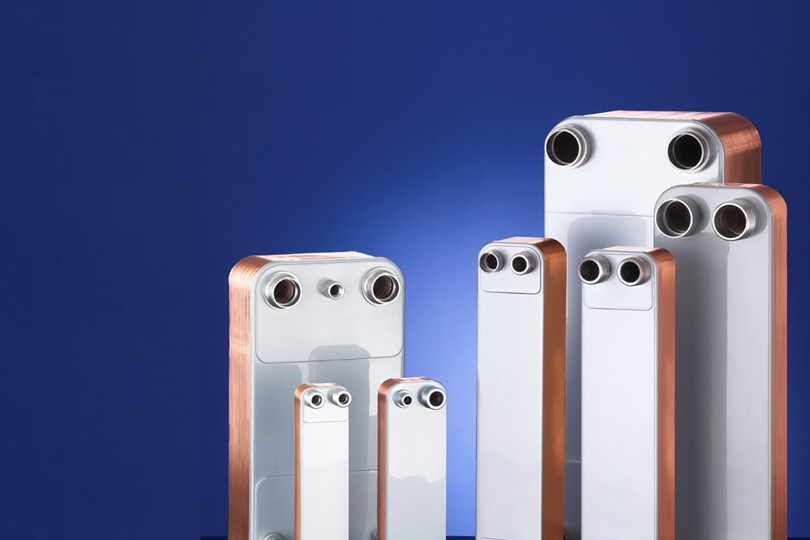
For diligence seeking dependable and durable heat exchanger parts, Kinetic Engineering is a trusted provider of perfection-finagled factors. With decades of moxie in manufacturing and supplying plates, tubes, gaskets, fins, and other critical corridor, Kinetic Engineering ensures optimal performance and extended outfit lifetime for a wide range of artificial operations. Their results support chemical processing, power generation, medicinals, food and libation, and numerous other sectors, furnishing factors that meet strict quality norms and enhance the effectiveness of heat transfer systems. By partnering with Kinetic Engineering, businesses can minimize time-out, ameliorate energy effectiveness, and maintain the trustability of their thermal systems.
Conclusion
Thermal fluid heaters are protean, effective, and safe results for a wide range of artificial heating operations. By circulating a controlled heat transfer fluid, they deliver precise and invariant heat without the high-pressure pitfalls associated with brume systems. Their compact design, energy effectiveness, and inflexibility make them ideal for chemical processing, food product, medicinals, power generation, and numerous other diligence.
Understanding how thermal fluid heaters work and enforcing proper conservation practices ensures dependable operation, extends system lifetime, and reduces functional costs. As diligence continue to prioritize energy effectiveness, safety, and process perfection, thermal fluid heaters remain a foundation of ultramodern artificial heating results


Write a comment ...