
Efficiency, Safety, and conservation
In ultramodern artificial operations, maintaining precise temperature control stands as a abecedarian demand across innumerous operations. From chemical processing and medicinal manufacturing to food product and plastics molding, harmonious and dependable heating systems form the backbone of product effectiveness. Thermal fluid heaters have surfaced as the favored result for numerous artificial heating operations, offering superior temperature control, energy effectiveness, and functional inflexibility compared to traditional brume- grounded systems. Understanding how these sophisticated heating systems work, how to optimize their performance, and how to maintain them duly enables installation directors and masterminds to maximize outfit lifetime, insure worker safety, and minimize functional costs while maintaining the high- performance norms demanded by moment's competitive artificial terrain.
Understanding Thermal Fluid Heating Systems
Thermal fluid heaters operate on a unnaturally different principle than conventional brume boilers. Rather than generating brume for heat transfer, these systems toast a technical thermal fluid — generally a synthetic oil painting or glycol- grounded result which circulates through a unrestricted- circle system to deliver harmonious, controlled heat to reuse outfit. This approach offers several distinct advantages over brume systems, particularly for operations taking temperatures above 250 °F or precise temperature control.
The thermal fluid remains in liquid phase throughout the heating cycle, barring the pressure conditions associated with brume generation at high temperatures. This characteristic allows thermal fluid systems to achieve temperatures up to 750 °F or advanced at near- atmospheric pressure, significantly reducing safety enterprises and nonsupervisory conditions compared to high- pressure brume systems. The absence of phase change also means more stable temperature control and elimination of condensate return systems.
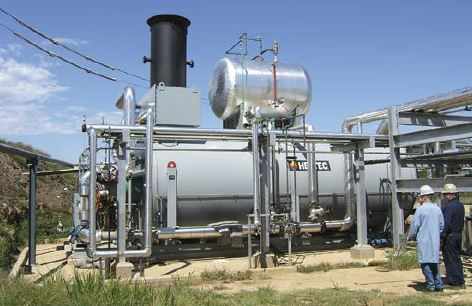
A typical thermal fluid heating system consists of the heater unit itself, rotation pumps, expansion tank, process heat exchangers, and associated pipeline and controls. The heater combusts energy — natural gas, oil painting, or decreasingly renewable sources to toast the thermal fluid flowing through internal coil tubes. Heated fluid also circulates through the unrestricted- circle system, transferring heat to reuse outfit before returning to the heater for reheating.

Maximizing Energy Efficiency
Energy effectiveness directly impacts operating costs and environmental footmark, making it a critical consideration for thermal fluid heater operation. Several strategies can optimize effectiveness and reduce energy consumption while maintaining needed heating performance.
Proper system design ensures acceptable inflow rates through both the heater and process outfit. inadequate inflow haste can lead to fluid declination and reduced heat transfer effectiveness, while inordinate inflow wastes pumping energy. Maintaining inflow haste between 3- 8 bases per alternate generally provides optimal balance between heat transfer effectiveness and pumping costs.
sequestration quality significantly affects heat losses throughout the system. High- temperature sequestration on pipeline, faucets, and outfit reduces radiant and convective heat losses, directly perfecting overall system effectiveness. Regular examination and conservation of sequestration ensures it remains effective, as damaged or deteriorated sequestration allows substantial heat escape.
Combustion effectiveness optimization ensures the heater excerpts maximum energy from energy. Regular tuning of burners, maintaining proper air- energy rates, and keeping heat transfer shells clean maximizes effectiveness. ultramodern heaters incorporate oxygen neat controls and variable frequence drives that automatically optimize combustion grounded on cargo conditions, significantly perfecting part- cargo effectiveness compared to aged constant- speed systems.
Heat recovery from stovepipe feasts represents another occasion for effectiveness enhancement. Prodigals can preheat combustion air or thermal fluid using waste heat from exhaust feasts, recovering energy that would else escape through the mound. While taking fresh capital investment, prodigals can ameliorate overall system effectiveness by 5- 15 depending on operating conditions.
Temperature control perfection prevents energy waste from overheating. Advanced control systems maintain process temperatures within tight forbearance, barring the energy waste and implicit product damage associated with temperature overshoots. enforcing zone controls for processes with varying temperature conditions prevents hotting entire systems to accommodate the loftiest temperature need.
Safety Considerations and Stylish Practices
Safety must remain the consummate concern in thermal fluid heater operation. While these systems exclude numerous pitfalls associated with high- pressure brume, they introduce unique hazards taking specific attention and safeguards.
Thermal fluid declination represents a significant safety concern. Over time, exposure to high temperatures causes thermal fluids to break down, forming carbon deposits and changing fluid parcels. Degraded fluid becomes lower effective at heat transfer and further prone to forming sludge and shield deposits that circumscribe inflow and reduce heater effectiveness. Severe declination can lead to localized overheating, fluid ignition, and implicit fire hazards.
Regular fluid slice and analysis observers declination situations. Laboratory testing measures density, acid number, flash point, and other parcels indicating fluid condition. Maintaining fluid within manufacturer specifications through periodic partial relief or complete changeouts prevents declination- related problems. utmost thermal fluids bear complete relief every 3- 7 times depending on operating temperatures and conditions.
Leak forestallment and discovery systems cover against fluid releases. Thermal fluids are combustive, and leaks near hot shells or ignition sources present fire pitfalls. Regular visual examinations, pressure testing, and covering for pressure drops or makeup fluid conditions help identify leaks before they come dangerous. Installing leak discovery systems in critical areas provides early warning of fluid releases.
Proper venting and expansion tank sizing accommodates thermal expansion as fluid heats and cools. shy expansion capacity can lead to system overpressure, while indecorous venting allows air infiltration that accelerates fluid oxidation and erosion. The expansion tank must maintain a nitrogen mask to help fluid contact with oxygen.

Comprehensive driver training ensures labor force understand system operation, fete implicit problems, and respond meetly to abnormal conditions. Training should cover incipiency and arrestment procedures, normal operating parameters, exigency response protocols, and introductory troubleshooting. Regular lesson training keeps drivers current on stylish practices and safety procedures.
Conservation Programs for Trustability and Life
enforcing a comprehensive conservation program prevents unanticipated failures, extends outfit life, and maintains optimal performance. A well- structured conservation program combines routine examinations, preventative conservation tasks, and prophetic monitoring.
diurnal driver rounds cover crucial parameters and identify implicit issues. Drivers should check and record thermal fluid temperatures and pressures at multiple points, corroborate proper rotation pump operation, check for leaks or unusual conditions, and insure control systems serve duly. Anomalies detected during diurnal rounds spark disquisition and corrective action before minor issues escalate into major failures.
Regular heater examination and cleaning maintains effectiveness and prevents damage. Combustion side examination includes examining burner factors, drawing or replacing pollutants, checking honey patterns, and testing safety interlocks. Heat transfer face examination on the thermal fluid side reveals fouling, deposits, or erosion taking attention. drawing schedules depend on energy quality, fluid condition, and operating hours, but periodic cleaning represents a reasonable birth for utmost systems.
Rotation pump conservation ensures dependable fluid inflow throughout the system. Pumps bear regular bearing examination and lubrication, seal examination and relief, coupling alignment verification, and motor electrical connection checks. Pump failure can lead to fluid overheating in the heater and implicit safety incidents, making pump trustability critical to system safety.
Control system estimation and testing verifies accurate dimension and control. Temperature detectors, pressure transmitters, and flow measures bear periodic estimation to maintain delicacy. Control stopcock operation, limit switch functionality, and safety arrestment systems bear regular testing to insure they respond rightly when demanded.
Sourcing Quality factors and relief corridor
Maintaining thermal fluid heater systems requires access to quality factors and relief corridor. Critical factors like gaskets, seals, burner corridor, and control rudiments must meet specifications to insure safe, dependable operation. Partnering with estimable suppliers who understand artificial heating systems provides access to applicable corridor and specialized moxie.
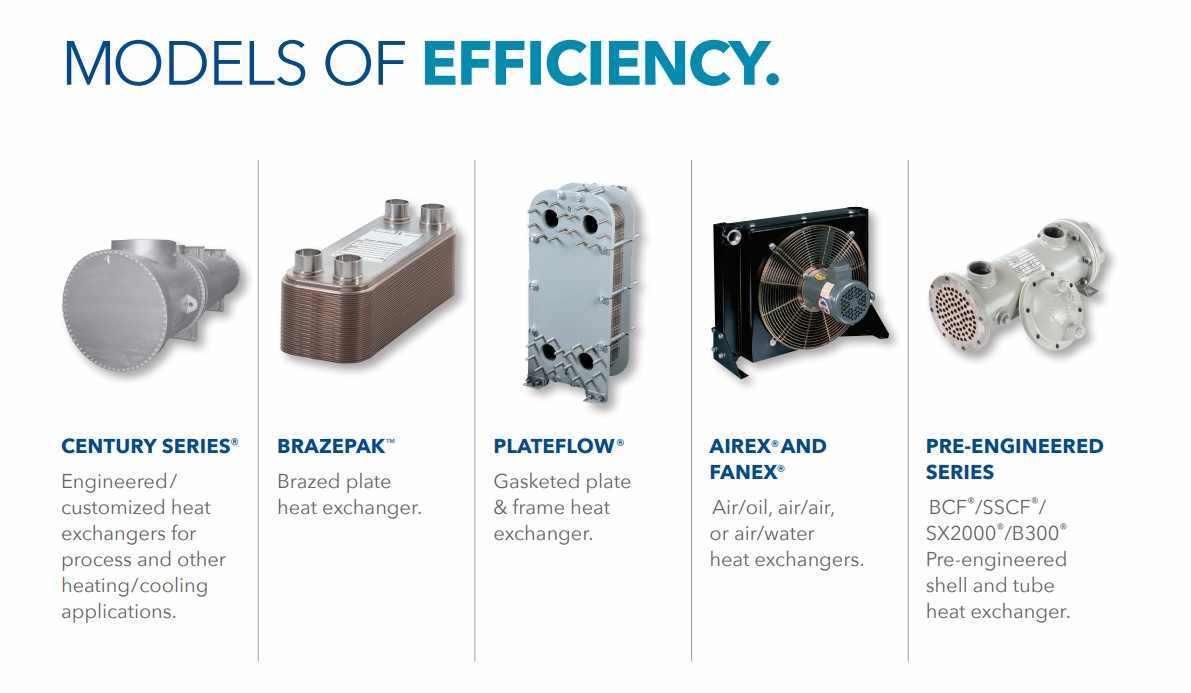
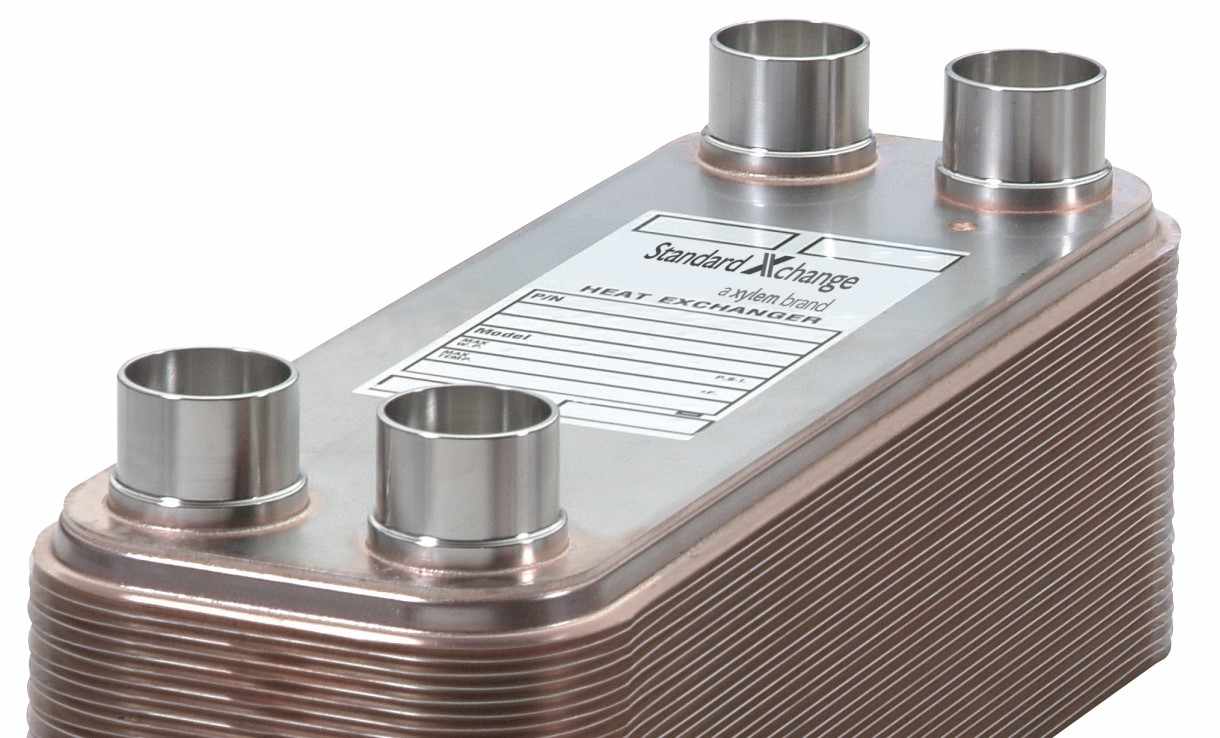
For comprehensive selection of artificial heating system factors, professionals can explore options, where a wide range of heat exchanger corridor and thermal system factors are available to meet different artificial conditions. Access to quality relief corridor from knowledgeable suppliers supports both routine conservation and exigency form situations, minimizing time-out and icing system trustability.
Conclusion
Thermal fluid heaters give effective, safe, and dependable heating for different artificial operations when duly designed, operated, and maintained. Understanding system operation, enforcing energy effectiveness measures, prioritizing safety, and executing comprehensive conservation programs maximizes outfit performance and life. As artificial heating conditions continue evolving toward advanced temperatures, better effectiveness, and stricter safety norms, thermal fluid heating technology offers proven results that meet these demands. installations investing in proper training, quality factors, and professional moxie position themselves for optimal thermal fluid heater performance, safety, and cost- effectiveness throughout outfit service life.



Write a comment ...