
In artificial operations, maintaining the effectiveness and trustability of heat exchangers is critical to achieving optimal process performance. One crucial aspect of icing long-term trustability is having access to high-quality heat exchanger parts. From plates and tubes to gaskets and fins, each element plays a vital part in maintaining heat transfer effectiveness, precluding leaks, and avoiding unanticipated time-out. Understanding the significance of spare corridor, knowing which factors bear regular examination, and clinging to a structured conservation schedule can significantly extend the life of your heat exchanger while minimizing functional costs.
This blog explores the types of spare corridor generally used in heat exchangers, their conservation conditions, and stylish practices for icing your outfit continues to operate at peak effectiveness.
Crucial Heat Exchanger Parts and Their Places
Heat exchangers correspond of multiple factors, each performing a specific function in the transfer of heat between fluids. Understanding the function of each part helps in relating which factors are most susceptible to wear and bear regular conservation.
1. Plates and Tubes
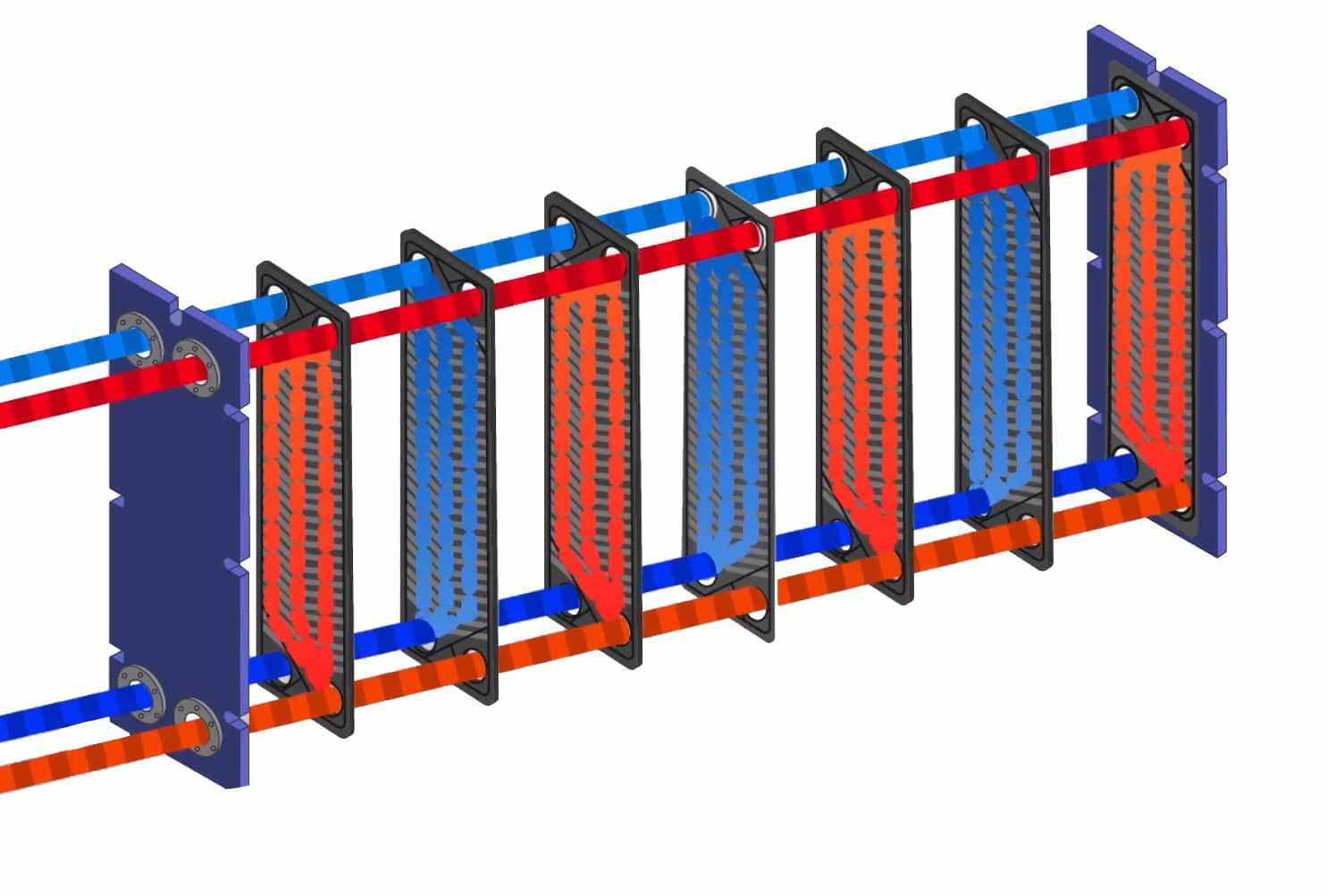
Plates (in plate heat exchangers) and tubes (in shell-and-tube designs) are the primary shells where heat transfer occurs. They grease the effective exchange of thermal energy between hot and cold fluids. Over time, these shells can witness fouling, erosion, or scaling, which can significantly reduce heat transfer effectiveness. Regular examination and cleaning are essential to maintain performance.
2. Fins
Fins are used in air-cooled or finned-tube heat exchangers to increase face area and ameliorate heat transfer. Damaged or eroded fins can reduce effectiveness, leading to advanced energy consumption and eventuality overheating of the system.
3. Gaskets and Seals
Gaskets and seals help fluid leakage between different sections of the heat exchanger. These factors are generally made of rubber, silicone, or specialized polymers. Exposure to high temperatures, pressure oscillations, or chemical responses can degrade gaskets over time, making periodic relief necessary to maintain system integrity.
4. Heads and Manifolds
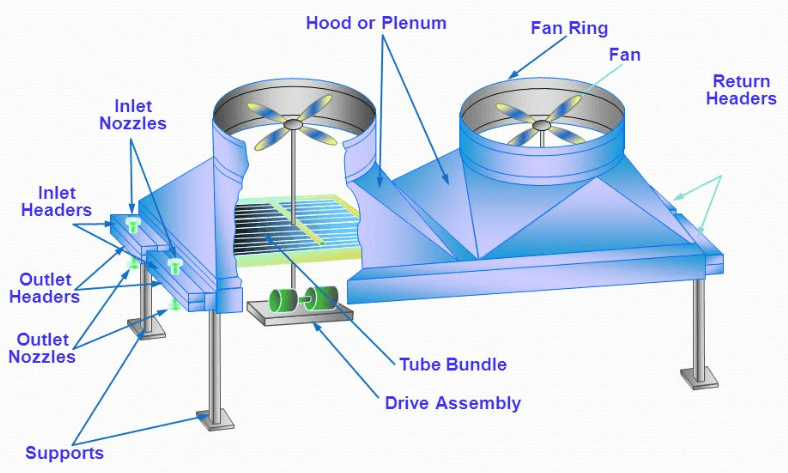
Heads and manifolds distribute fluids unevenly across the exchanger and collect them at the outlet. Any clogging, erosion, or leakage in these factors can lead to uneven inflow, reduced heat transfer effectiveness, and implicit outfit damage.
5. Support Structures and Frames
While frequently overlooked, the support structures and frames insure mechanical stability and alignment of the heat exchanger. Erosion or mechanical stress in these factors can lead to misalignment, vibration issues, and structural failure.

Common Conservation Conditions
To keep heat exchangers operating efficiently, it's pivotal to apply a regular conservation program concentrated on both examination and relief of worn factors.
1. Routine Examinations
Regular visual examinations can identify early signs of erosion, leaks, scaling, or mechanical damage. Drivers should check for unusual vibration, abrasion, or fluid residue around gaskets and joints. Examinations should also include measuring pressure drops and inflow rates to descry retired inefficiencies.
2. Drawing and Descaling
Over time, heat exchangers are prone to fouling caused by mineral deposits, sludge, or chemical buildup. Mechanical cleaning, chemical cleaning, or high-pressure water jetting can remove deposits from plates, tubes, and fins. Clinging to a cleaning schedule prevents blockages, maintains heat transfer effectiveness, and reduces the threat of outfit failure.
3. Gasket and Seal Relief
Gaskets and seals degrade due to thermal cycling and chemical exposure. Replacing these factors during listed conservation ensures leak-free operation and prevents impurity between fluids. Using OEM or certified relief gaskets is recommended to maintain comity and trustability.
4. Lubrication and Moving Corridor
Some heat exchangers, especially those with rotating or sliding factors, bear lubrication to reduce wear and tear and disunion. Regular operation of the correct type of lubricant prolongs element life and prevents mechanical failure.
5. Pressure and Temperature Monitoring
Monitoring operating pressures and temperatures helps descry abnormalities early. Oscillations outside recommended limits may indicate fouling, leaks, or failing factors. Nonstop monitoring allows for visionary conservation and minimizes time-out.
Factors Affecting Extra Part Lifespan
Several factors impact how frequently toast exchanger corridor need relief
Operating Conditions – High temperatures, pressures, or aggressive chemicals can accelerate wear and tear.
Material Selection – Erosion-resistant blends, pristine sword, or specialized polymers can extend part lifetime.
Fluid Quality – Hard water, contaminations, and particulates can beget scaling and corrosion.
Conservation Practices – Regular cleaning, examination, and timely relief help unseasonable failure.
System Design – Effective inflow distribution and proper sizing reduce stress on individual factors.

Stylish Practices for Heat Exchanger Conservation
1. Maintain a Extra Corridor Inventory
Having an force of critical heat exchanger parts including gaskets, plates, tubes, and seals ensures quick reserves when needed. This reduces time-out and prevents product losses during unanticipated failures.
2. Use OEM or Certified Components
Original outfit manufacturer (OEM) corridor or certified coequals guarantee comity, trustability, and life. Using unacceptable or general corridor may save costs originally but can lead to unseasonable failures and reduced effectiveness.
3. Apply Prophetic Conservation
Prophetic conservation uses detectors and covering systems to anticipate element wear and tear or failure. Ways similar as vibration analysis, thermography, and flow monitoring give early warnings, allowing for planned interventions rather of reactive repairs.
4. Document Conservation Conditioning
Maintaining detailed records of examinations, reserves, and drawing conditioning helps track part lifetime, identify recreating issues, and plan unborn conservation schedules.
5. Train Drivers and Technicians
Proper training ensures that labor force can identify implicit issues, perform routine examinations, and carry out conservation safely and effectively. Professed drivers contribute significantly to extending the functional lifetime of heat exchangers.
Reliable Thermal Fluid Heaters from Kinetic Engineering
For diligence seeking effective and high-performance thermal fluid heaters, Kinetic Engineering is a trusted provider of advanced heating results. With decades of experience in designing and manufacturing thermal systems, Kinetic Engineering delivers outfit and factors that insure precise temperature control, energy effectiveness, and long-term trustability. Their moxie spans a wide range of operations, including chemical processing, power generation, food and libation, and medicinals. By choosing Kinetic Engineering, businesses gain access to consummately finagled thermal fluid heaters that enhance process effectiveness, minimize time-out, and extend the lifetime of critical artificial systems.
Conclusion
Maintaining the effectiveness and trustability of heat exchangers requires further than just periodic cleaning it depends on understanding the significance of quality heat exchanger parts and clinging to structured conservation practices. Regular examination, cleaning, gasket relief, and monitoring of functional parameters each contribute to optimal heat transfer performance and extended outfit lifetime.
By investing in high-quality spare corridor, enforcing prophetic and preventative conservation, and partnering with trusted suppliers like Kinetic Engineering, companies can reduce time-out, ameliorate energy effectiveness, and maximize the return on investment for their heat exchangers. Visionary operation of spare corridor and conservation ensures that artificial heat transfer systems continue to operate safely, efficiently, and reliably for times to come.

Write a comment ...