
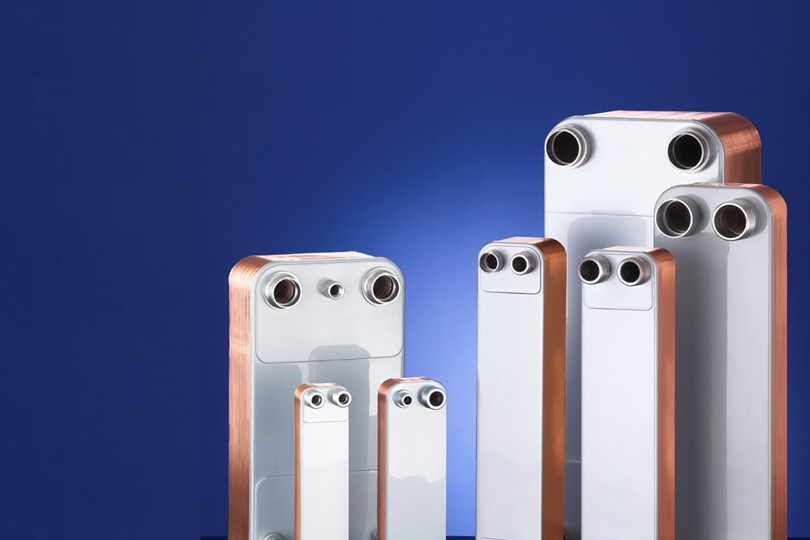
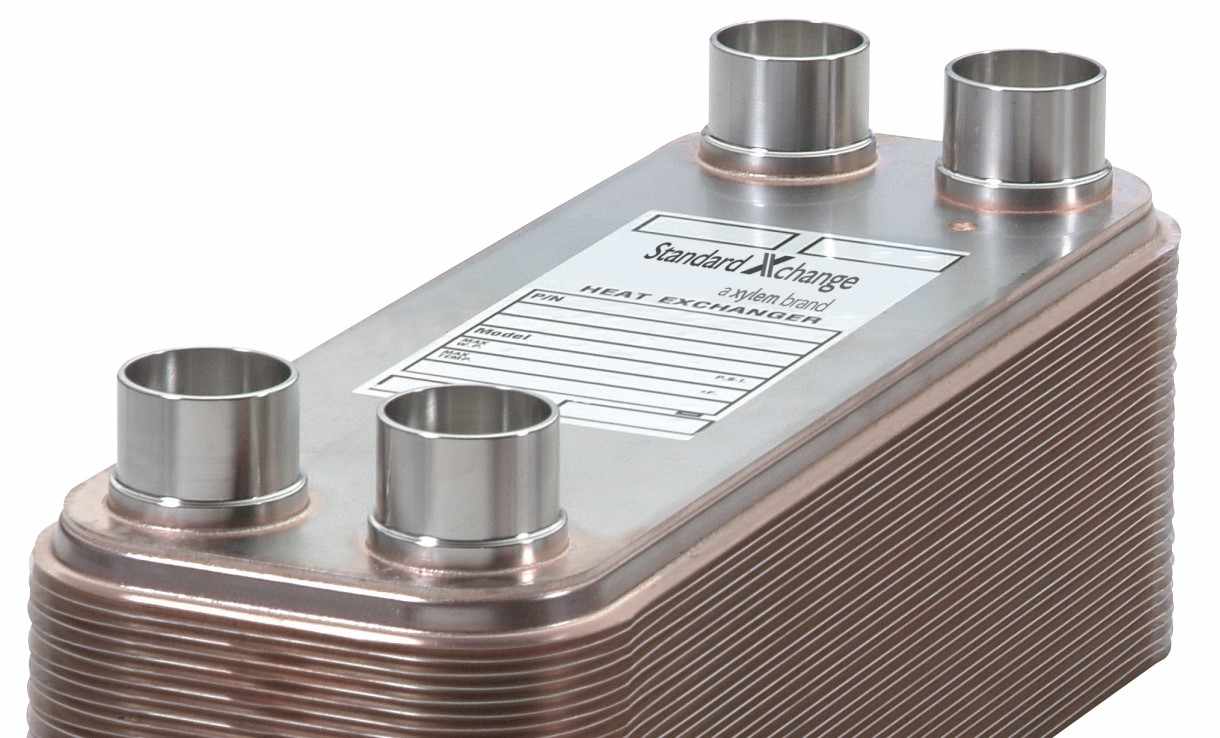
Opting the right thermal operation outfit can make or break a system's effectiveness, trustability, and functional costs. When it comes to brazed plate heat exchangers, the compact design and emotional thermal performance make them an seductive option for innumerous operations but only when duly specified. Unlike simply choosing the largest available unit and hoping for the stylish, optimal brazed plate heat exchanger selection requires a regular approach that balances multiple specialized parameters, operating conditions, and real- world constraints. Understanding these crucial parameters empowers masterminds and installation directors to design systems that deliver maximum performance while avoiding common risks that lead to underperformance, inordinate pressure drop, or unseasonable failure.
Understanding Your Thermal Duty Conditions
The foundation of any heat exchanger selection begins with easily defining the thermal duty — the quantum of heat that must be transferred. This putatively straightforward computation requires accurate data about inflow rates, bay temperatures, outlet temperatures, and the specific heat capacities of both fluids.
For heating or cooling operations, the introductory heat transfer equation Q = m × cp × ΔT provides the starting point, where Q represents heat transfer rate, m is mass inflow rate, cp is specific heat capacity, and ΔT is the temperature change. still, the devil is in the details. Fluid parcels change with temperature, so using average values rather than point values can introduce significant crimes. For phase- change operations like condensation or evaporation, idle heat computations come critical.
masterminds must also consider fouling factors — the ineluctable buildup of deposits that reduces heat transfer effectiveness over time. While brazed plate heat exchangers repel fouling better than numerous druthers due to their turbulent inflow patterns, some fouling is necessary in real- world operations. structure in an applicable fouling factor( generally 0.0001 to 0.0002 m ² K/ W for clean fluids) ensures the exchanger maintains acceptable performance throughout its service life rather than only meeting specifications when brand new.
Flow Rate and Velocity Considerations
Flow rates directly impact both heat transfer effectiveness and pressure drop through the exchanger. Too low, and the inflow becomes laminar, dramatically reducing heat transfer portions. Too high, and pressure drop becomes inordinate, taking larger pumps and consuming further energy.
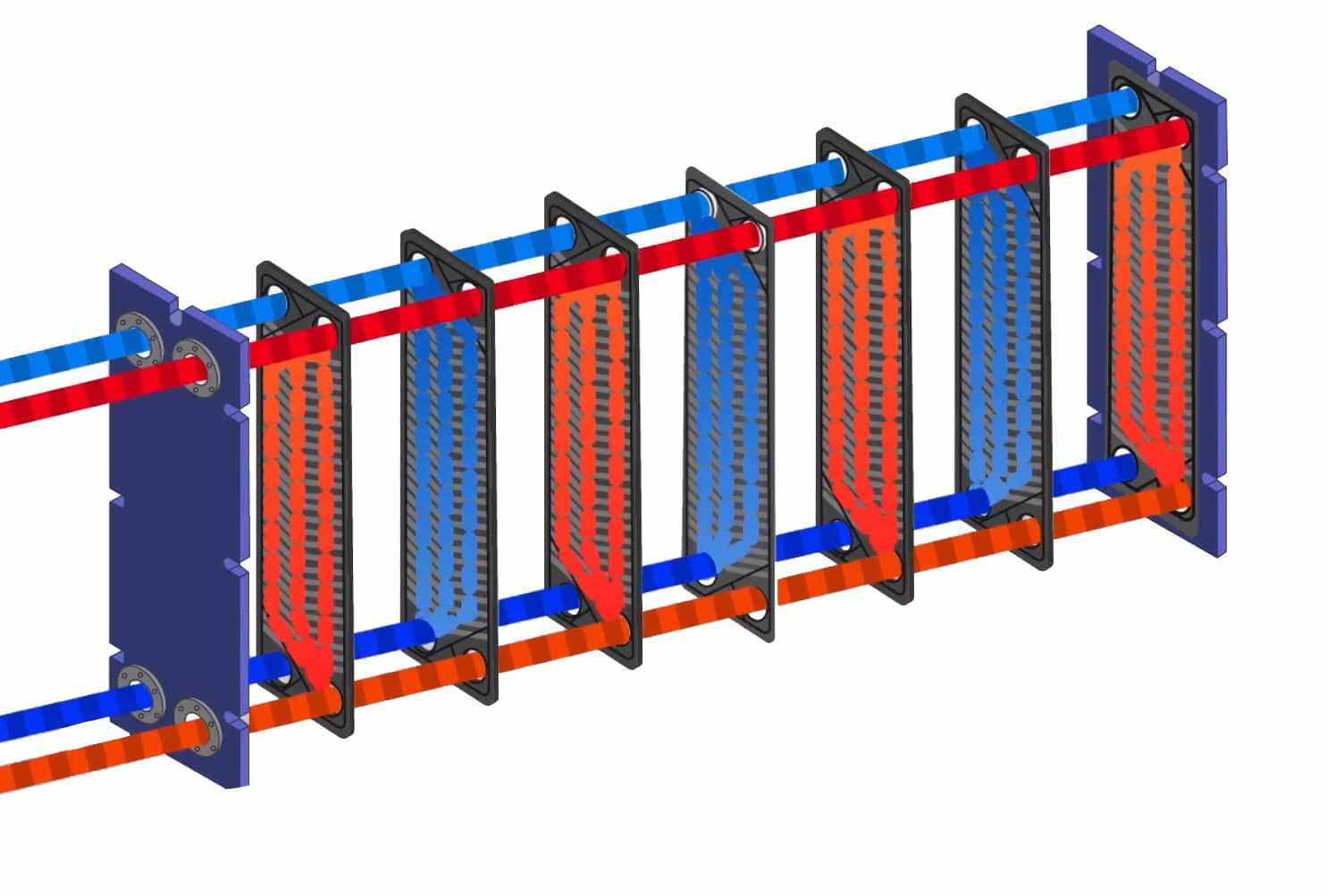
Brazed plate heat exchangers are designed to promote turbulent inflow in their corrugated channels, generally achieving this at Reynolds figures above 400- 500, much lower than the 2,300 needed in smooth tubes. This turbulence- promoting figure is one reason for their superior performance, but it also means that channel haste must be precisely controlled.

Optimal rapidity generally range from 0.3 to 1.5 m/ s for liquid operations, depending on fluid density and the respectable pressure drop. Advanced rapidity increase turbulence and heat transfer portions but also increase pressure drop exponentially. For utmost operations, targeting rapidity around 0.5- 0.8 m/ s provides an excellent balance between thermal performance and hydraulic effectiveness.
For systems with variable inflow rates, selection becomes more complex. The exchanger must perform adequately at minimum inflow while not creating inordinate pressure drop at outside inflow. In some cases, this might bear oversizing the exchanger slightly or incorporating bypass circuits to maintain optimal rapidity across the operating range.
Pressure Drop The Hidden Performance Factor
While thermal capacity frequently dominates selection conversations, pressure drop deserves equal attention. Every bar of pressure drop represents pumping energy that must be supplied continuously throughout the system's functional life. In 24/7 artificial operations, the energy cost of inordinate pressure drop can exceed the original cost of the heat exchanger within just a many times.
Brazed plate heat exchangers with their narrow, turbulent channels innately produce advanced pressure drops than shell- and- tube designs. still, this is not inescapably a disadvantage — the compact size frequently allows for shorter pipeline runs and smaller fittings, potentially reducing total system pressure drop indeed as the exchanger itself contributes further.
Maximum permissible pressure drop generally ranges from 0.5 to 2.0 bar for liquid operations, though this varies extensively grounded on available pump head and system conditions. The key is establishing this constraint beforehand in the selection process rather than discovering pressure drop issues after installation.
Connection size and position also impact pressure drop. small connections produce haste harpoons at coves and outlets, adding gratuitous pressure losses. Port rapidity should generally be limited to 1.5- 2.0 m/ s to minimize these goods.
Temperature Approach and Log Mean Temperature Difference
The approach temperature — the closest temperature difference between the hot and cold fluids at any point in the exchanger — unnaturally limits thermal performance. Incounter-flow brazed plate heat exchangers, this generally occurs at the cold end, where the cold fluid outlet temperature approaches the hot fluid bay temperature.
The logarithmic mean temperature difference( LMTD) provides the effective average driving force for heat transfer. Forcounter-flow arrangements, LMTD is calculated from the terminal temperature differences using standard thermodynamic equations. A advanced LMTD means further effective heat transfer for a given face area, but achieving veritably close approaches requires precipitously larger exchangers.
profitable optimization frequently calls for approach temperatures of 3- 5 °C in marketable operations. Tighter approaches are possible — brazed plate designs can achieve 1- 2 °C approaches but bear significantly further face area and advanced costs. The law of dwindling returns applies recovering that last degree of temperature difference costs exponentially more than the first several degrees.

Material Selection and comity
While utmost brazed plate heat exchangers use 316 pristine sword plates, material selection extends to the brazing material and the fluids themselves. Bobby brazing is standard for utmost operations, offering excellent thermal conductivity and cost- effectiveness. still, bobby brazing limits the exchanger to fluids compatible with bobby blends.
For ammonia refrigeration systems, nickel brazing becomes necessary as ammonia aggressively attacks bobby. This technical brazing adds cost but provides the necessary erosion resistance.
Fluid comity extends beyond simple erosion. Glycol attention, pH situations, chloride content, and dissolved oxygen all affect material life. Water treatment is particularly critical — indeed chlorinated external water can beget bending erosion over time if chloride situations are high.
Operating temperature ranges must also align with material capabilities. Standard bobby- brazed units handle-195 °C to 225 °C, covering most marketable and artificial operations. Exceeding these limits, indeed compactly during incipiency or worried conditions, can damage the brazed joints.
Working Pressure and Safety Factors
Brazed plate heat exchangers generally handle working pressures up to 30 bar, with some technical designs reaching 45 bar. still, the specified working pressure must include applicable safety factors for pressure surges, water hammer, and other flash events that exceed normal operating pressure.
Assiduity practice generally calls for opting units rated at least 20- 30 above outside anticipated operating pressure. For systems with repaying pumps or presto- acting faucets that can produce pressure harpoons, indeed advanced safety factors may be warranted.
Pressure testing during commissioning verifies the integrity of the brazed assembly, but testing pressures should follow manufacturer recommendations to avoid damaging the unit through inordinate force.
The Value of Expert Guidance
Given the complex interplay between thermal duty, pressure drop, temperatures, inflow rates, and material comity, optimal heat exchanger selection benefits tremendously from educated engineering support. Companies like Kinetic Engineering specialize in thermal system design and can give the detailed analysis necessary to elect and size exchangers that truly optimize performance, trustability, and cost- effectiveness. Their moxie helps navigate the dickers essential in heat exchanger selection, icing your system operates efficiently from day one.
Conclusion
Designing for performance in brazed plate heat exchanger selection requires balancing multiple specialized parameters while keeping sight of real- world operating conditions and profitable constraints. By precisely considering thermal duty, inflow characteristics, pressure drop limitations, temperature approaches, material comity, and operating pressures, masterminds can specify units that deliver times of dependable, effective service.
The most successful installations affect from thorough outspoken engineering rather than rule- of- thumb sizing. While brazed plate heat exchangers offer emotional capabilities in a compact package, realizing their full implicit demands attention to the details that distinguish acceptable performance from truly optimized design. The time invested in proper selection pays tips through lower energy costs, reduced conservation, and systems that meet or exceed their performance targets throughout their functional life.


Write a comment ...