
In artificial and marketable operations, heat exchangers are essential for transferring thermal energy efficiently between two fluids. Among the most common types are the plate heat exchanger and the traditional shell-and-tube heat exchanger. Both designs have unique features, advantages, and limitations that make them suitable for different operations. Opting the right type of heat exchanger requires understanding their effectiveness, cost counteraccusations, conservation conditions, and felicity for specific process conditions.
This blog explores the differences between plate heat exchangers and shell-and-tube heat exchangers, pressing crucial factors that impact effectiveness, functional costs, and long-term conservation.
Understanding Plate Heat Exchangers
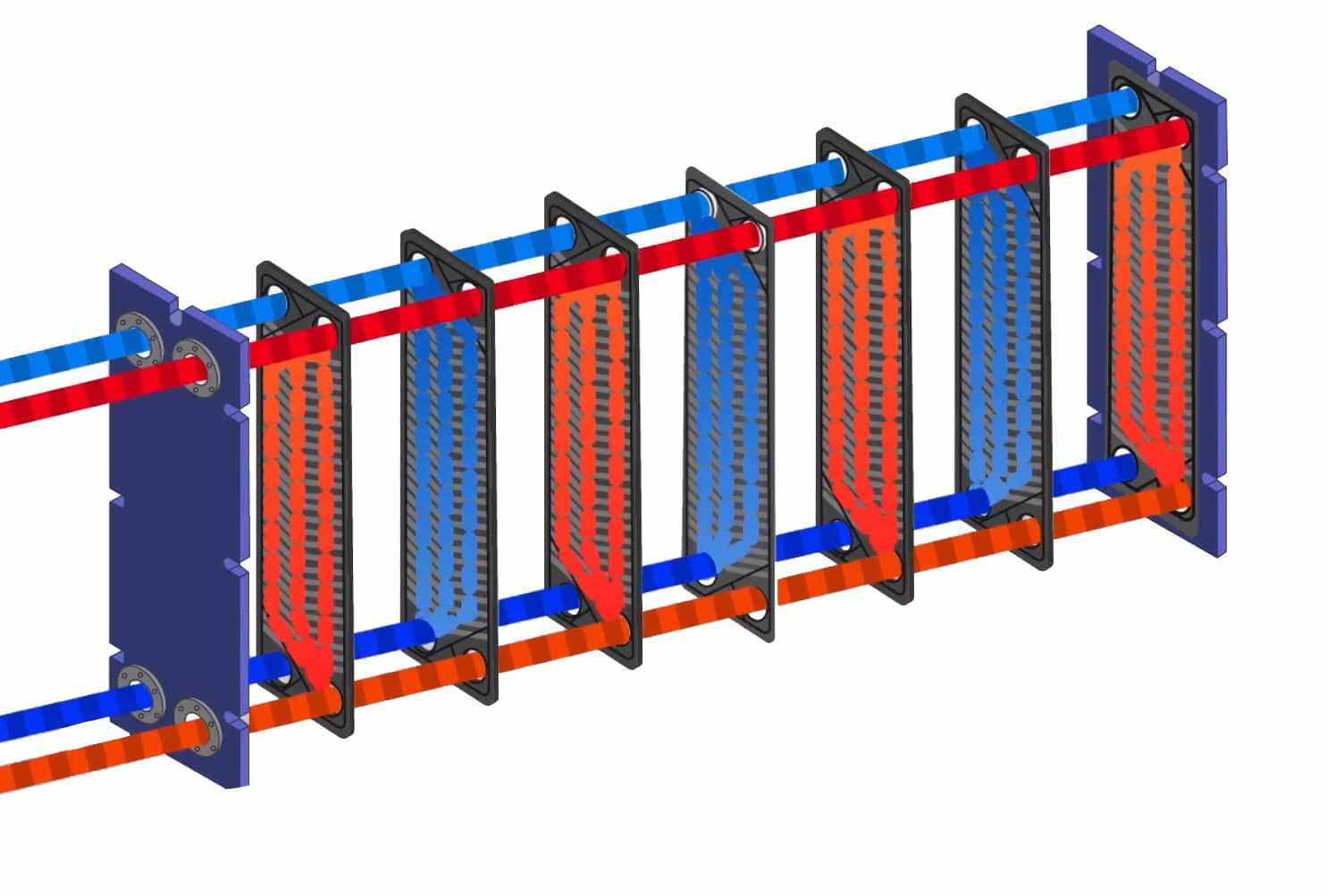
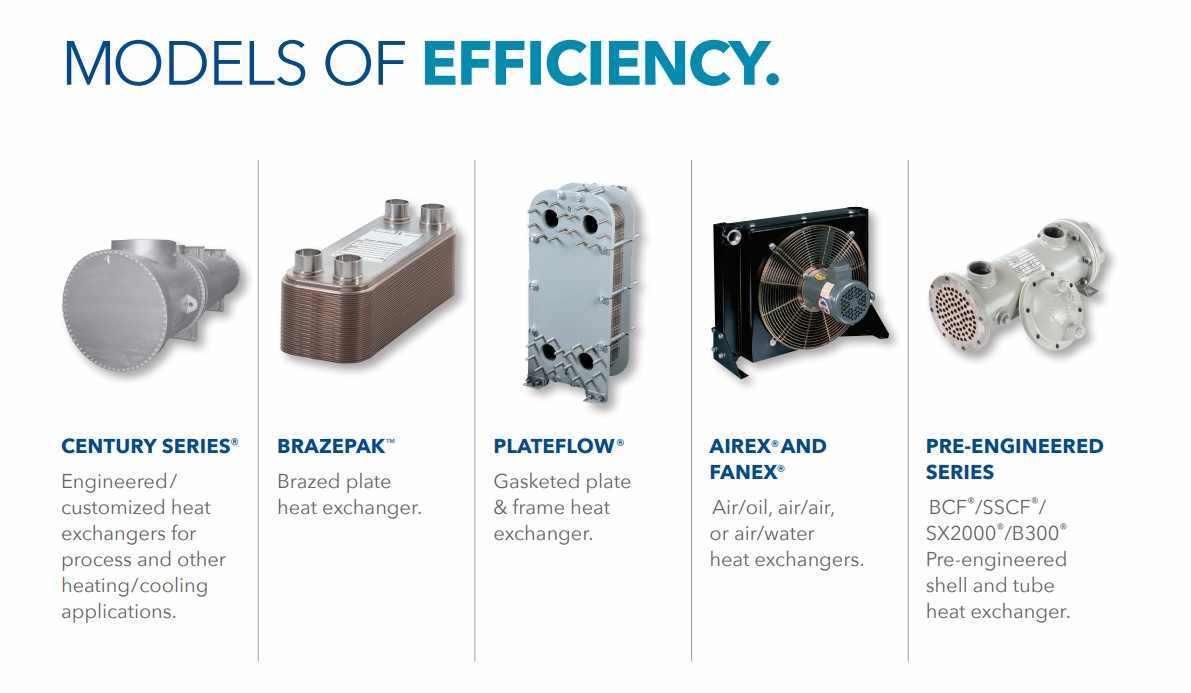
A plate heat exchanger (PHE) consists of a series of thin, corrugated essence plates piled together. Fluids flow through interspersing channels between the plates, allowing heat to transfer from the hot fluid to the cold fluid. The corrugated face increases turbulence, enhancing heat transfer effectiveness without taking high inflow rates.
Crucial Features of Plate Heat Exchangers
High Thermal Effectiveness – The large face area of the plates allows for rapid-fire heat transfer.
Compact Design – PHEs enthrall lower space compared to shell-and-tube units.
Easy Conservation – Plates can be separated for cleaning, examination, or relief.
Inflexibility – Plates can be added or removed to acclimate capacity.
Plate heat exchangers are generally used in HVAC systems, food processing, medicinals, and chemical diligence where conciseness, inflexibility, and high heat transfer effectiveness are pivotal.
Understanding Shell and Tube Heat Exchangers
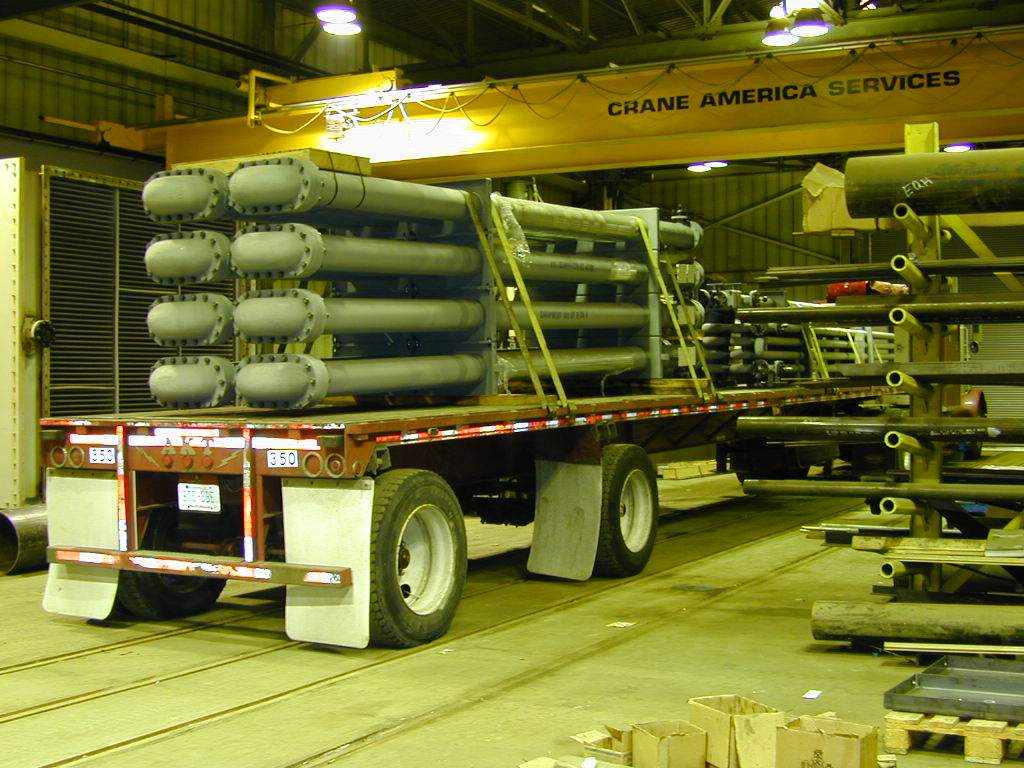
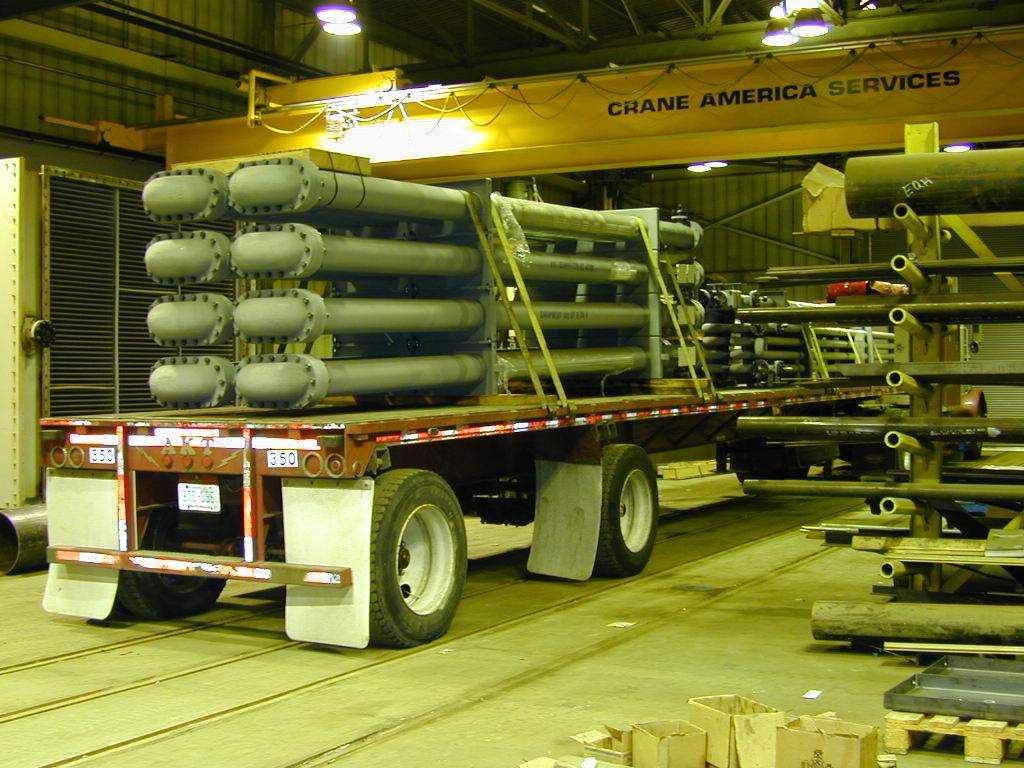
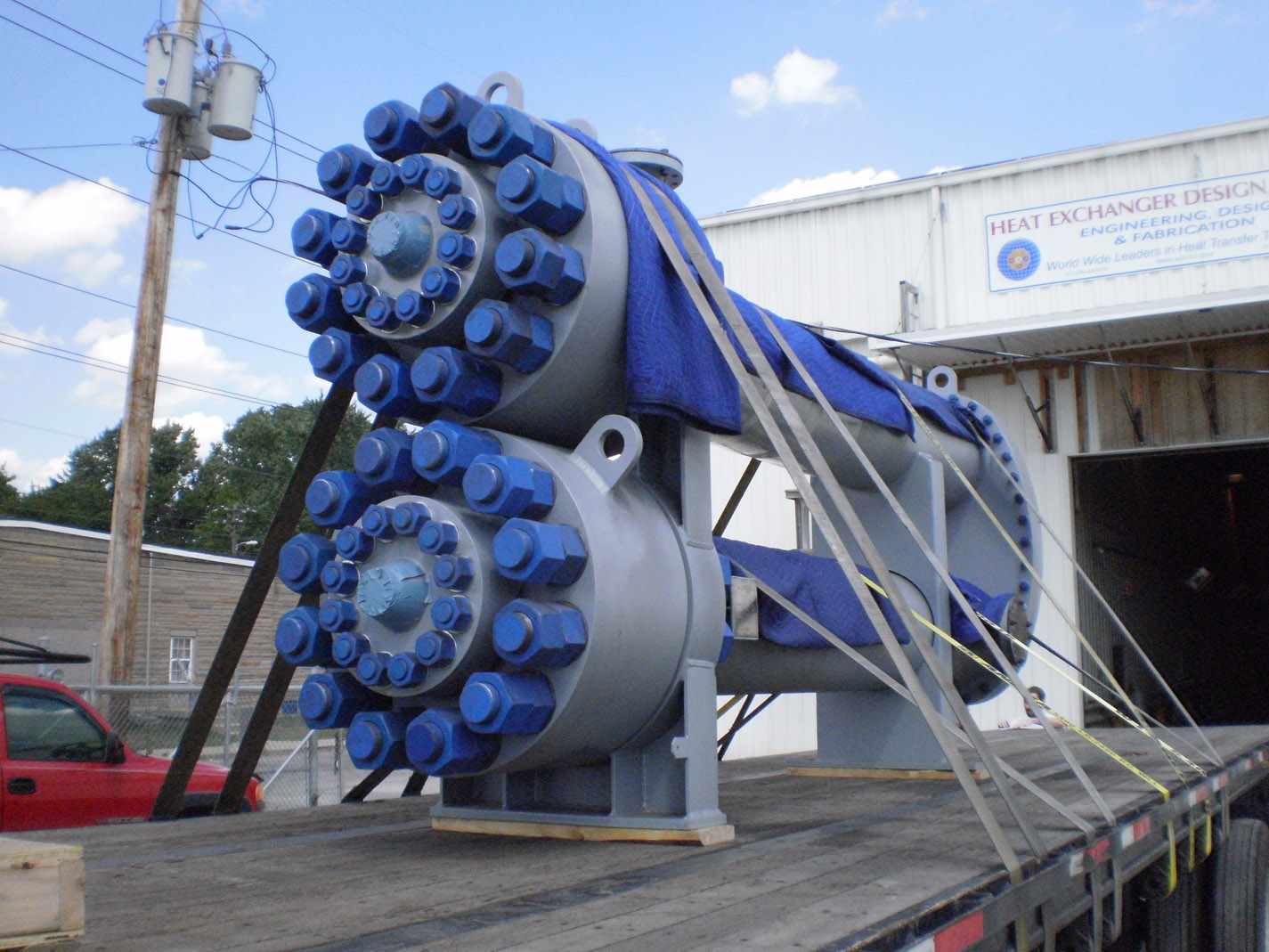
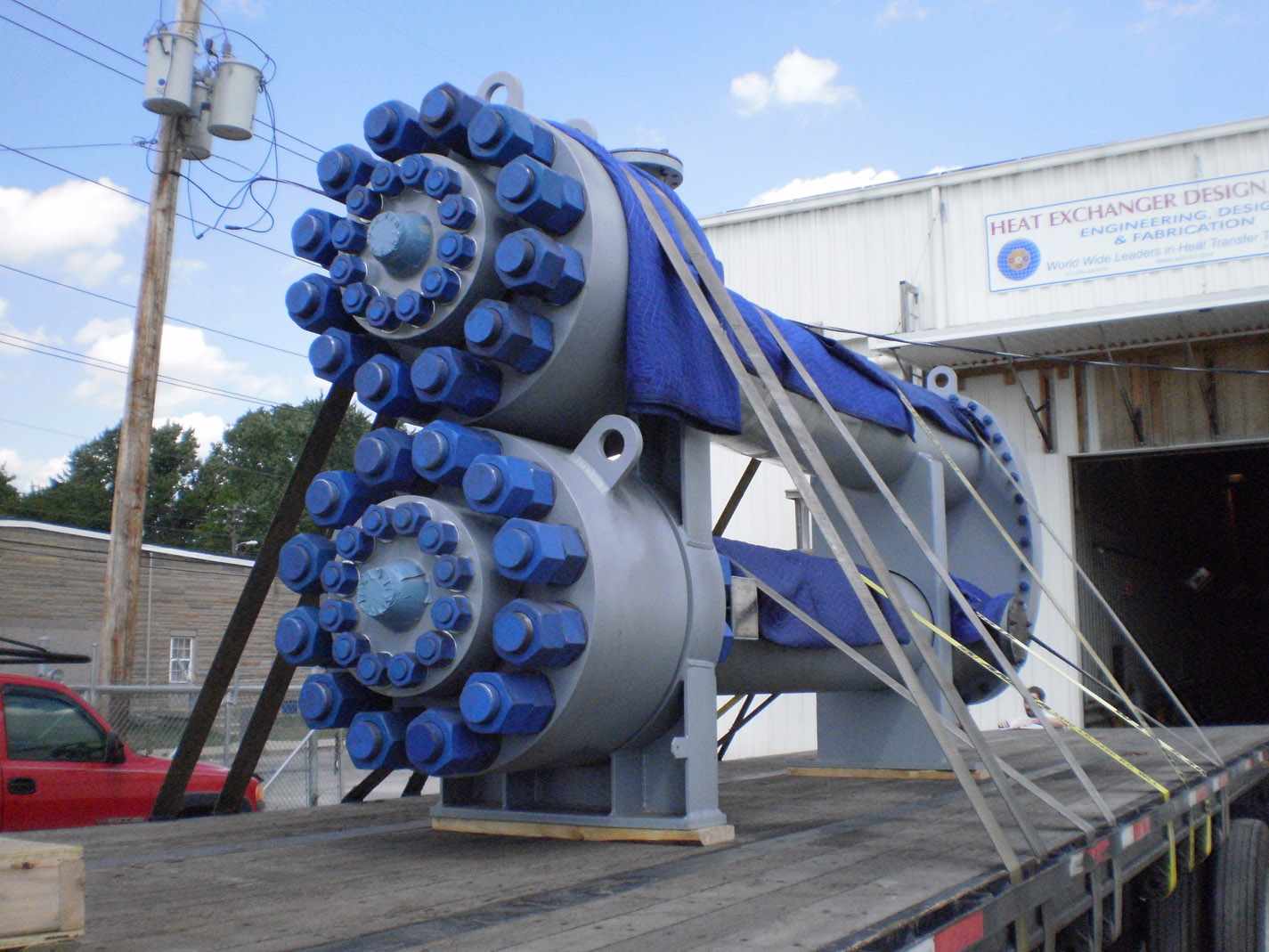
Shell-and-tube heat exchangers correspond of a spherical shell containing a pack of tubes. One fluid flows inside the tubes while the other fluid flows over the tubes within the shell. Heat is transferred across the tube walls. This design is extensively used in heavy-duty artificial operations due to its robust construction and capability to handle high pressures and temperatures.
Crucial Features of Shell and Tube Heat Exchangers
Durable Construction – Suitable for high-pressure and high-temperature operations.
Versatile Design – Can handle large fluid volumes and multiple fluids in resemblant or series arrangements.
Proven Trustability – A long-standing technology used in power shops, petrochemical installations, and refineries.
Customizable – Tube length, periphery, and shell size can be acclimatized to reuse requirements.
Shell-and-tube heat exchangers are ideal for large-scale processes where continuity and the capability to handle heavy-duty operations are precedences.
Effectiveness Comparison
Plate Heat Exchangers
Plate heat exchangers offer superior thermal effectiveness due to
High Surface Area – Thin plates give expansive contact between fluids.
Turbulent Flow – Corrugations produce turbulence, enhancing heat transfer without adding inflow rate.
Close Temperature Approach – PHEs can achieve a lower temperature difference between bay and outlet fluids, making them largely effective in energy recovery operations.
Shell and Tube Heat Exchangers
Shell-and-tube units generally have lower thermal effectiveness compared to PHEs
Lower Face Area-to-Volume Rate – Tubes give lower face area per unit volume.
Laminar Flow Zones – Some areas may witness laminar inflow, reducing heat transfer effectiveness.
Larger Temperature Approach – The temperature difference between fluids is generally advanced, which can reduce energy effectiveness.
Verdict
Plate heat exchangers are more effective for utmost low-to medium-pressure operations, while shell-and-tube units are more suited for large-volume, high-temperature, or high-pressure processes.
Cost Comparison
Plate Heat Exchangers
Original Cost – Generally lower for small-to medium-sized systems due to compact design.
Installation Cost – Reduced footmark and lighter weight affect in lower installation costs.
Operating Cost – Advanced effectiveness translates to lower energy consumption, reducing functional costs.
Scalability Cost – Easy to increase capacity by adding further plates without major redesign.
Shell and Tube Heat Exchangers
Original Cost – Advanced for large systems due to heavier construction and accoutrements.
Installation Cost – Requires further space and structural support, adding installation charges.
Operating Cost – Lower thermal effectiveness can lead to advanced energy consumption.
Scalability Cost – Modifying capacity frequently requires expansive redesign or relief of major factors.
Verdict
For small-to medium-scale operations, plate heat exchangers are cost-effective in both original and operating charges. Shell-and-tube units are more cost-effective for veritably large systems where continuity and high-pressure forbearance are critical.
Conservation Comparison
Plate Heat Exchangers
Ease of Access – Plates can be removed collectively for drawing or relief.
Drawing Frequence – Requires regular examination to help fouling, especially in dirty or thick fluid operations.
Form – Damaged plates or gaskets can be replaced without removing the entire unit.
Time-out – Conservation is briskly due to the modular design.
Shell and Tube Heat Exchangers
Ease of Access – Tubes may bear mechanical cleaning or chemical treatment, which can be further time-consuming.
Drawing Frequence – Generally less frequent, but fouling in shell-side can be delicate to address.
Form – Repairing or replacing tubes may bear technical labor and can involve significant time-out.
Time-out – Extended conservation time due to complex design and heavier construction.
Verdict
Plate heat exchangers offer simpler, briskly, and further cost-effective conservation, whereas shell-and-tube units are more conservation-ferocious and bear longer time-out for cleaning and repairs.
Choosing Between Plate and Shell-and-Tube Heat Exchangers
When deciding which toast exchanger to use, consider the following factors
Operation Size and Flow Rate – PHEs are ideal for small to medium inflow rates, while shell-and-tube excels in high-inflow, large-volume systems.
Operating Pressure and Temperature – Shell-and-tube units handle advanced pressures and temperatures better than plate heat exchangers.
Space Constraints – PHEs are more compact and suitable for areas with limited space.
Effectiveness Conditions – PHEs offer advanced heat transfer effectiveness and energy savings.
Conservation Considerations – Plate heat exchangers allow easier cleaning and hastily conservation compared to shell-and-tube designs.
Eventually, the choice depends on balancing effectiveness, cost, conservation, and the specific process conditions.
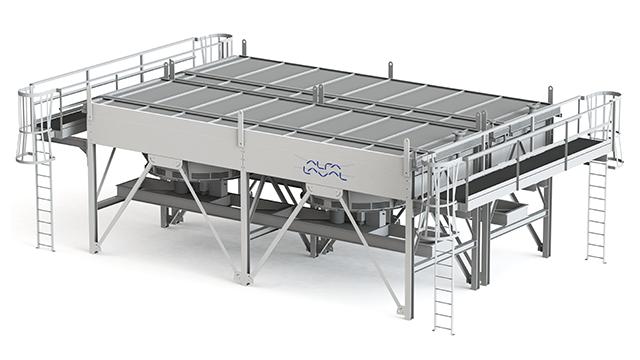
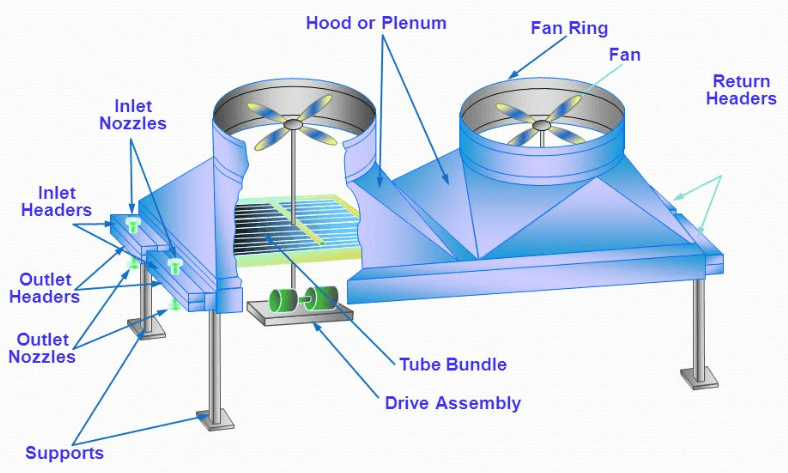
High-Performance Fin Fan Heat Exchangers from Kinetic Engineering
For diligence seeking dependable and effective fin fan heat exchangers, Kinetic Engineering provides consummately designed results that maximize heat transfer while minimizing energy consumption. With decades of experience in manufacturing advanced thermal systems, Kinetic Engineering delivers durable and energy-effective fin addict heat exchangers suitable for HVAC, power generation, petrochemical, and refrigeration operations. Their perfection-finagled units insure optimal performance, reduced conservation, and long-term trustability. By choosing Kinetic Engineering, businesses gain access to top-quality fin addict heat exchangers that enhance process effectiveness, extend outfit lifetime, and support sustainable, cost-effective operation.
Conclusion
Both plate heat exchangers and shell-and-tube heat exchangers have distinct advantages. Plate heat exchangers offer high effectiveness, compact design, lower original and operating costs, and easier conservation, making them ideal for small-to medium-sized artificial, HVAC, and food processing operations. Shell-and-tube heat exchangers give robust performance under high pressure, high temperature, and large-volume conditions, making them suitable for petrochemical, power generation, and heavy artificial operations.
Understanding the differences in effectiveness, cost, and conservation conditions helps masterminds, installation directors, and system contrivers make informed opinions when opting the most applicable heat exchanger for their operations.



Write a comment ...