
Understanding Fin Fan Heat Exchangers
In the ever- evolving geography of heating, ventilation, and air exertion technology, fin addict heat exchangers have surfaced as necessary factors that drive effectiveness and performance in ultramodern HVAC systems. These sophisticated bias, also known as air-cooled heat exchangers, use ambient air as the cooling medium to transfer heat from process fluids, making them essential for both artificial and marketable operations. As energy effectiveness becomes decreasingly critical in erecting operation and artificial operations, understanding the part and advantages of fin addict heat exchangers is more important than ever.
The Mechanics Behind Fin Fan Technology
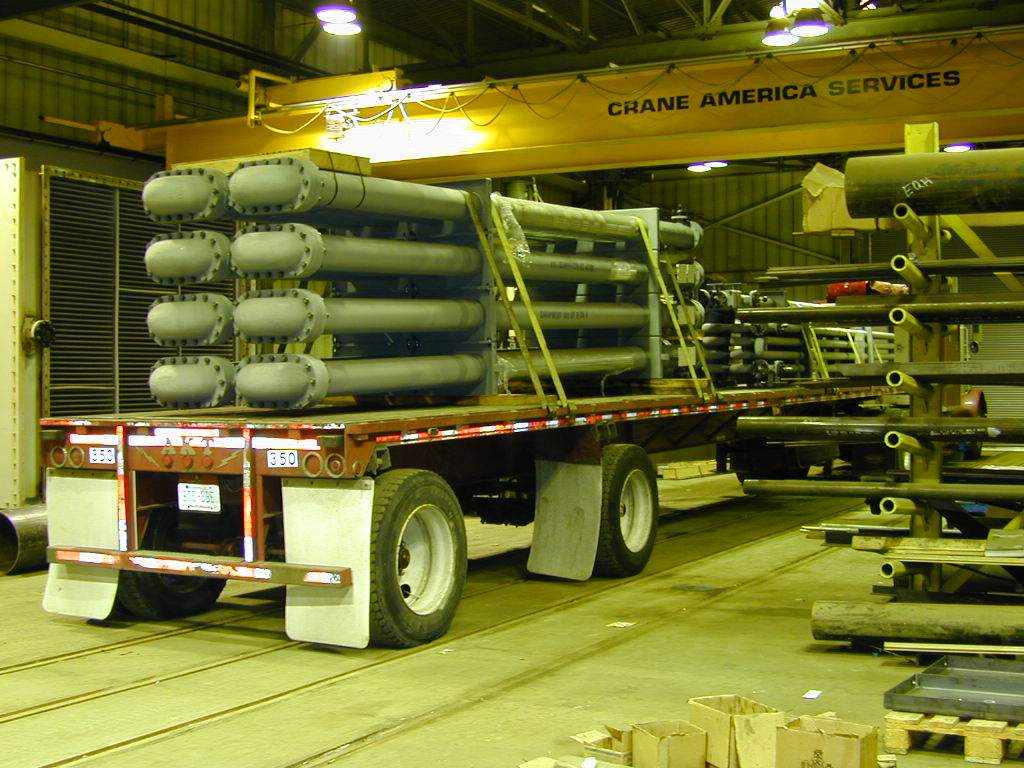
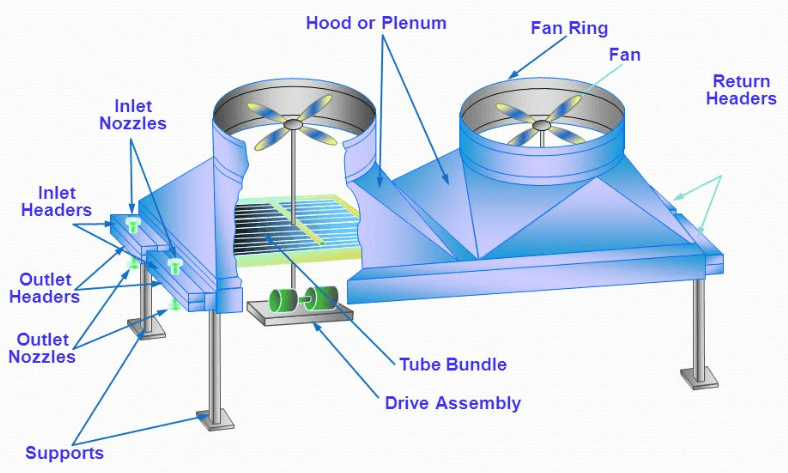
Fin addict heat exchangers operate on a straightforward yet largely effective principle. The system consists of finned tubes through which hot fluid flows, while suckers force ambient air across the surface face of these tubes. The extended fin shells dramatically increase the heat transfer area, allowing for effective cooling without the need for water or other liquid coolants. This design makes them particularly precious in regions where water is scarce or where water conservation is a precedence. The fins themselves are generally made from aluminum or bobby , accoutrements chosen for their excellent thermal conductivity parcels. These fins are mechanically clicked or welded to sword or pristine sword tubes, creating a robust structure that can repel colorful environmental conditions. The forced air rotation, handed by electric motors driving axial or centrifugal suckers, ensures harmonious and dependable heat dispersion anyhow of ambient conditions.

Operations in Commercial HVAC Systems
Ultramodern marketable structures demand HVAC results that balance performance with functional costs, and fin fan heat exchangers deliver on both fronts. In large office complexes, shopping centers, and institutional structures, these units serve as the primary cooling medium for bite systems, rooftop units, and central factory outfit. Their capability to reject heat directly to the atmosphere eliminates the need for cooling halls and the associated water treatment, makeup water, and legionella enterprises. Data centers represent another critical operation area where fin addict technology excels. These installations induce enormous quantities of heat that must be continuously removed to maintain optimal operating temperatures for sensitive electronic outfit. The trustability and scalability of fin addict heat exchangers make them ideal for both primary cooling and backup systems in these charge-critical surroundings.
Artificial HVAC and Process Cooling
Beyond marketable operations, fin fan heat exchangers play a vital part in artificial HVAC systems where process cooling conditions can be substantial and complex. Manufacturing installations, power generation shops, petrochemical refineries, and pharmaceutical product spots all calculate on these units to maintain precise temperature control. The rugged construction of artificial- grade fin addict units allows them to operate continuously in harsh surroundings, from extreme heat to freezing conditions. The versatility of fin addict technology permits customization for specific artificial processes. Units can be configured with multiple tube passes, varied fin consistence, and different addict arrangements to meet exact heat cargo conditions. This rigidity ensures optimal performance whether cooling hydraulic oil painting in heavy ministry, condensing refrigerant in artificial chillers, or managing waste heat recovery systems.

Energy effectiveness and Environmental Benefits
One of the most compelling advantages of fin fan heat exchangers is their donation to energy effectiveness and environmental sustainability. By exercising medium air as the cooling medium, these systems exclude the parasitic energy loads associated with cooling halls, water pumps, and chemical treatment systems. This reduction in supplementary outfit translates directly to lower functional costs and reduced carbon vestiges. ultramodern fin addict designs incorporate variable frequence drives on addict motors, allowing the system to modulate tailwind grounded on factual cooling demands. This intelligent control capability prevents energy waste during ages of lower heat cargo and extends outfit life by reducing gratuitous mechanical stress. Some advanced systems integrate with structure robotization platforms, enabling prophetic conservation scheduling and real- time performance optimization.
Innovation and Future Developments
The heat exchanger assiduity continues to introduce, with manufacturers developing enhanced fin shapes, advanced coatings, and mongrel cooling results. Companies like Kinetic Engineering are at the van of these developments, furnishing slice- edge heat exchanger results that push the boundaries of thermal operation technology. Their moxie spans design, manufacturing, and installation of custom fin addict systems acclimatized to specific operation conditions. Arising trends include the integration of noise reduction technologies to address enterprises in noise-sensitive surroundings, erosion- resistant accoutrements for littoral or chemical processing operations, and modular designs that grease easier conservation and element relief. Research into biomimetic fin patterns inspired by natural structures promises indeed lesser heat transfer effectiveness in unborn generations of outfit.
Conservation and functional Considerations
To insure long- term performance and trustability, fin fan heat exchangers bear regular conservation attention. Periodic cleaning of fin shells prevents the buildup of dust, pollen, and debris that can stymie tailwind and reduce heat transfer effectiveness. examination of addict comportments, motor underpinning, and electrical connections should be conducted according to manufacturer recommendations to help unanticipated failures. Seasonal considerations also impact operation, particularly in regions with significant temperature variations. Winter operation may bear recirculation mutes or variable speed addict control to help overcooling, while summer conditions might bear supplementary cooling capacity or further frequent cleaning cycles to maintain design performance situations.
Conclusion
Fin fan heat exchangers have proven themselves as dependable, effective, and environmentally responsible results for ultramodern HVAC systems. Their capability to give harmonious cooling performance without water consumption, combined with lower functional costs and conservation conditions, makes them an decreasingly popular choice across marketable and artificial sectors. As erecting canons continue to emphasize energy effectiveness and sustainability, the part of fin addict technology in HVAC design will only grow more prominent, supported by ongoing inventions from assiduity leaders devoted to advancing thermal operation results

Write a comment ...