
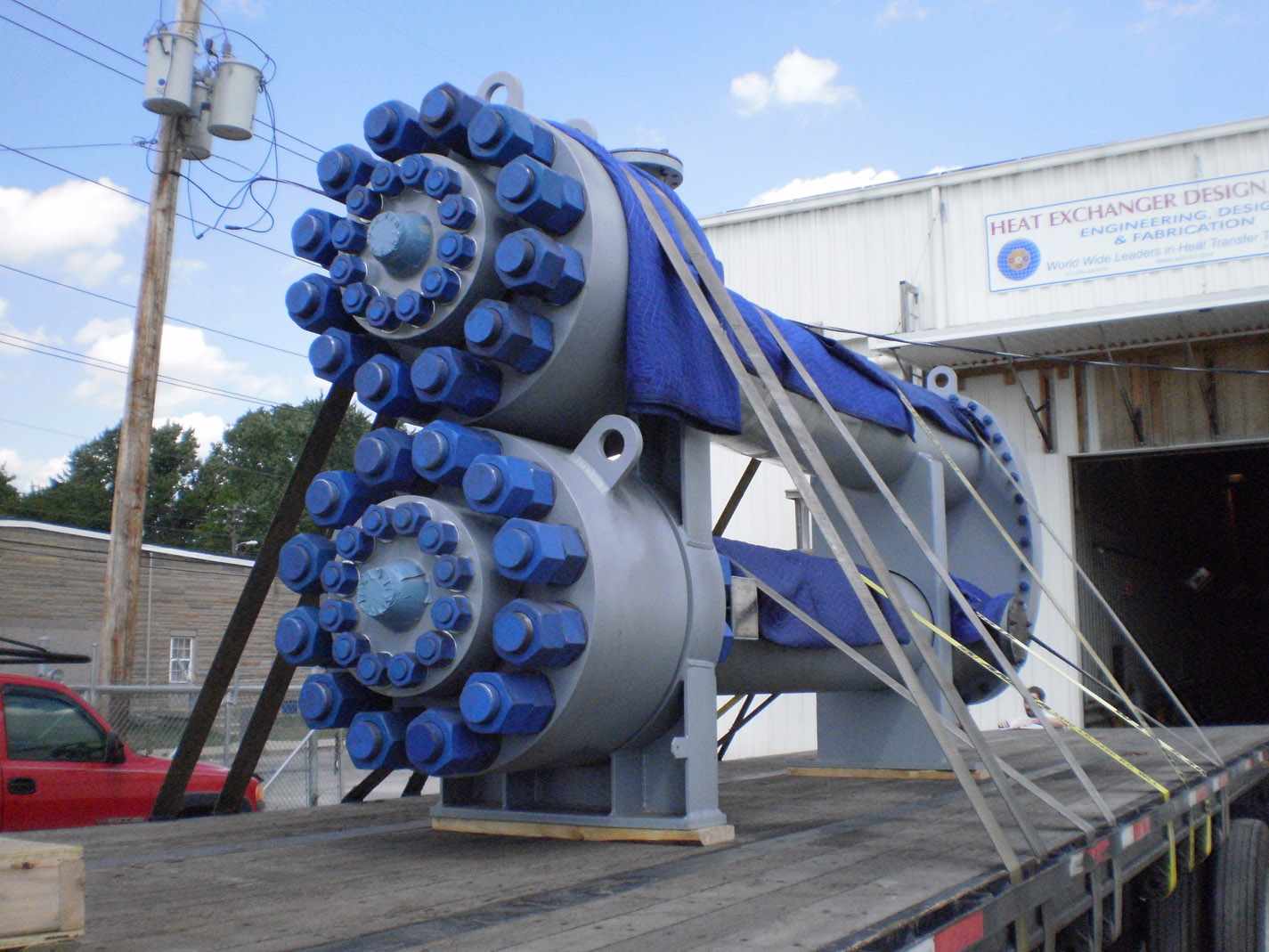
The Tubular Exchanger Manufacturers Association, also known as TEMA has set the most stringent standards for the construction, design and performance of the shell-and-tube heat exchangers in the modern industrial. The comprehensive standards guarantee security, reliability and efficiency for a myriad of applications including petroleum refining and chemical processing. Although TEMA standards focus on tube-and-shell configurations however, their principles of durable construction and strict quality control are applicable to other technology, such as the hairpin heat exchanger and other designs that are specialized. Knowing TEMA definitions and classifications as well as design characteristics and guidelines for application allows facility managers and engineers to select equipment that can meet high-demanding requirements for processes, while also guaranteeing long-term reliability and maximum performance. Since industrial operations become more complex and demands for efficiency rise the significance of TEMA standards to ensure high-quality and uniformity throughout the entire heat exchanger industry is more crucial than ever before.
The TEMA Organization and Standards Development
TEMA was established in 1939 by the top manufacturers of heat exchangers seeking to establish standards uniform to ensure high-quality and aid in the communication between manufacturers and their customers and establish a common system for defining equipment specifications. The standards document of the organization which is currently in its tenth version has been accumulated over decades of experience in the industry and best engineering practices.
The standards cover the mechanical design requirements and tolerances for fabrication materials specifications and inspection procedures as well as testing procedures. Through providing clear guidance in all aspects of construction of heat exchangers TEMA allows manufacturers around the world to make equipment that is consistent in quality standards that customers can design and specify with confidence.
TEMA standards are applicable primarily to heat exchangers made of shell and tube, but affect the wider industry of heat transfer equipment. Numerous manufacturers apply TEMA principles to other equipment models, applying the same standard of quality and flexibility to unique configurations that do not fall within traditional categories for shells and tubes.

TEMA Classification System
One of TEMA's greatest contributions is its standardized classification system for heat exchangers that categorizes them in accordance with their intended service intensity and the requirements for their application. The three-tier classification system assists users to select the appropriate equipment to meet specific operating conditions.
Class R: Severe Requirements
Class R defines heat exchangers that are designed for the most challenging applications in the petroleum refining and the related industries of processing. They operate under extreme conditions, including high pressures, extreme temperatures, highly corrosive liquids thermal cycling, and fouling. Class R standards establish the highest standards regarding the materials used, their fabrication quality as well as inspection and testing procedures.
The applications comprise crude oil preheating services hydrotreater jobs, and other serious refinery processes in which equipment failure can cause significant economic losses or pose safety risks. The higher construction requirements can increase the cost of capital, but also provide superior performance in difficult services.
Class C: General Commercial and Process
Class C covers heat exchangers that are used for general process and commercial applications that operate under moderate conditions. These standards are in place in situations where operating conditions are not as severe as those for refineries for petroleum, but they still require sturdy construction and durable performance. Class C equipment is used for HVAC systems, chemical processing power generation, power generation and related equipment, along with general industrial manufacturing.
These requirements are not as strict than those of Class R. This can result in cost savings while still ensuring quality to meet the requirements of the intended service. A lot of industrial applications discover that Class C standards provide the best balance between performance requirements and economic limitations.
Class B: Chemical Process Service
Class B covers chemical process applications in which corrosion resistance and compatibility with chemicals are the primary considerations. The standards focus on the selection of materials and corrosion allowances instead of the extreme temperature and pressure conditions typical in the Class R service. Chemical manufacturing facilities manufacture pharmaceuticals, chemical manufacturing, or specialty production of chemicals generally require Class B equipment.
The classification system allows for precise specifications, with users selecting the classes that best suit their requirements instead of exaggerating (wasting capital) or under-specifying (risking premature failure).

Key TEMA Design Features
Standardized Nomenclature
TEMA created a three-letter designation system that identifies the heat exchanger's configuration by type of front head shell type, front head type, and the rear head type. For instance the AES designation identifies that the head is of type A (channel with removable covers) A-type shell (single-pass shell) and an S-type rear head (floating head with a backing device).
The system of nomenclature provides clear communication between users and manufacturers. Engineers can design precise configurations using a standard language that is used across the entire industry, removing confusion and ensuring that the equipment delivered is in line with specifications.
Construction and Fabrication Standards
TEMA standards define the minimum thicknesses of tubes and shells as well as tube-to-tubesheet-joint requirements and baffle design parameters the sizing of nozzles and support configurations. These specific requirements guarantee the structural integrity of the product while setting consistent standard of quality for all manufacturers.
Welding processes, non-destructive testing protocols, as well as quality control procedures receive full coverage. The standards outline acceptable weld types as well as inspection frequency and testing procedures that test the quality of construction before equipment goes into service.
Material Selection Guidelines
TEMA provides comprehensive guidance on the selection of materials for tubes, shells baffles, tubesheets and other components. The standards are based on ASME specifications for materials and offer compatibility data for common process fluids. The corrosion allowances that are specific to each class will ensure a sufficient performance in operating conditions.
Particular attention is paid to bimetallic construction in which tubes and tubesheets employ different materials to increase the resistance to corrosion while reducing costs. Correct techniques for joining different metals protect against galvanic corrosion and guarantee the integrity of the joint.
Thermal and Hydraulic Design Parameters
Although TEMA is primarily focused on mechanical design, it also includes guidelines for calculation of thermal properties and pressure drop estimation and prediction of performance. Resistance factors to fouling for a variety of services allow designers to account for performance decline over time, while ensuring that equipment is performing at an acceptable level after cleanings.
Limitations in flow velocity can stop erosion damage to tubes and ensure adequate heat transfer. The velocity of the exit and entry points in the bundle guidance helps avoid flow distribution issues that can reduce thermal efficiency.

Industrial Applications of TEMA Heat Exchangers
Petroleum Refining
Refineries are the most common use of class R heat exchangers. Preheat trains for crude oil, vacuum towers, fluid catalytic cracking units, as well as reformer services all depend on equipment that is TEMA compliant. The harsh operating conditions such as temperatures of 400 degrees Celsius and pressures that exceed 100 bar and highly impure fluids need the tough structure that TEMA Class R offers.
The economic impact of heat exchanger failures in refineries--including lost production, emergency repairs, and potential safety incidents--justifies the premium construction quality TEMA standards ensure.
Chemical Processing
Chemical plants employ TEMA Class B as well as Class C exchangers for all of their activities. Temperature control for reactors as well as product cooling, recovery of solvents, along with heat fusion all depend on dependable equipment for heat transfer. The corrosive nature of a variety of chemical processes can be improved by TEMA's emphasis on the selection of materials and resistance to corrosion.
Power Generation
Power plants utilize TEMA heat exchangers for condensate polishing, feedwater heating and auxiliary cooling systems and heat recovery systems. Many power applications employ Class C standards, critical services could use Class B when corrosion issues are present or Class R if the conditions are very demanding.
Process Industries
Food processing and pharmaceutical manufacturing, as well as pulp and paper production and general manufacturing use heat exchangers with TEMA compliance when standards, quality assurance and dependable performance are the main reasons to make the investment worthwhile. The trustworthiness TEMA products have earned due to their reliability makes it the best option when reliability of the process is essential.
Maintenance and Operational Considerations
TEMA standards aid in maintenance by providing standardized designs that maintenance workers can identify across different equipment manufacturers. Tube bundles that can be removed as well as the tubesheets accessible to users, as well as standard gasket designs facilitate efficient cleaning and repair processes.
Inspection procedures defined in TEMA standards are the basis for the preventive maintenance program. Regular inspections detect emerging issues before they lead to breakdowns, thus prolonging the lifespan of the equipment and avoiding unplanned shutdowns.
Specialized TEMA-Influenced Designs
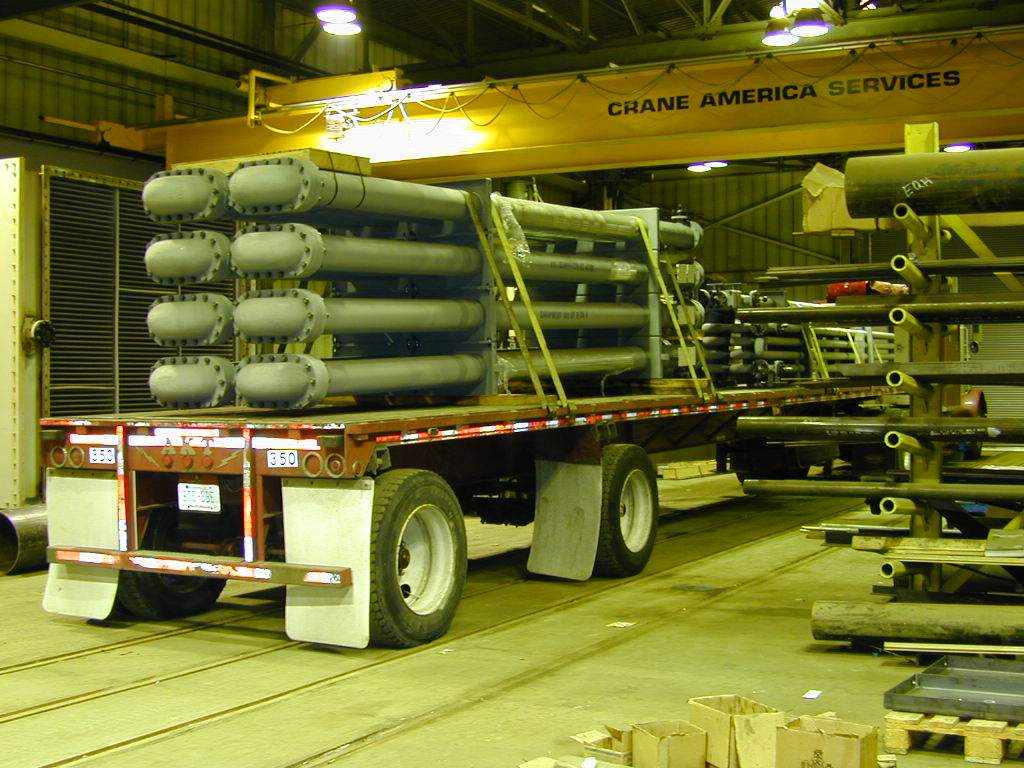
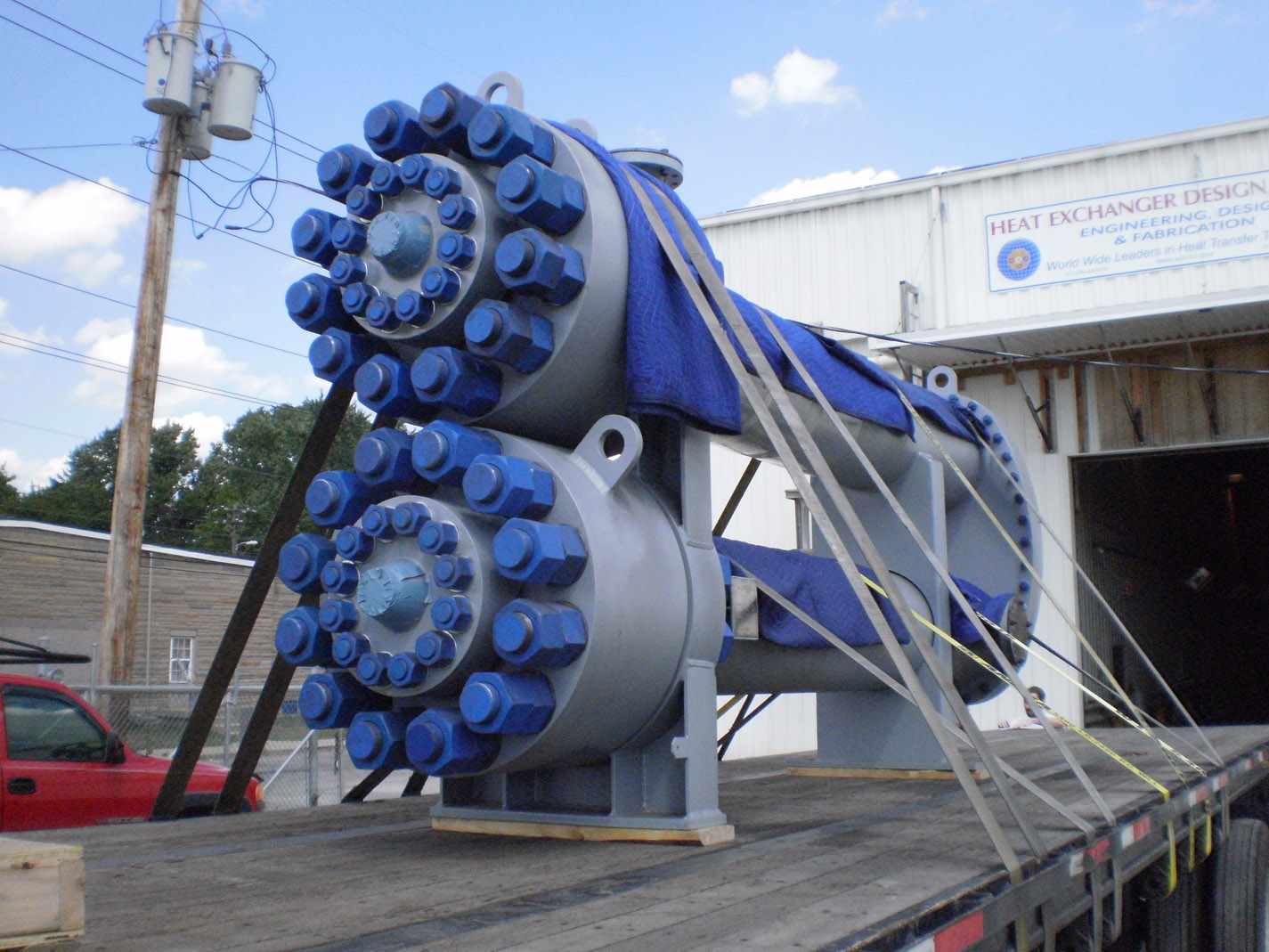
While TEMA standards focus on tube-and-shell configurations, some manufacturers have expanded the TEMA quality policy to similar designs. Hairpin heat exchangers of high-quality contain TEMA principles of material selection manufacturing quality, material selection, and testing processes, even though hairpin design isn't typical tube and shell categories.
Choosing Quality TEMA-Compliant Equipment
Selecting heat exchangers that comply with or surpass TEMA standards guarantees that your establishment gets equipment designed to ensure long-term performance. Partnering with manufacturers that demonstrate an knowledge of TEMA specifications and adhere to strict quality control procedures gives assurance in the reliability of equipment.
If your project requires the demonstrated effectiveness that comes from the TEMA heat exchanger technology, working with trusted manufacturers will guarantee the highest quality choice of equipment and specification. Kinetic Engineering's double-pipe, multitube heat exchangers with hairpins are built on the high-quality principles and stringent standards of construction that define TEMA-compliant equipment. Hairpin designs differ in geometry from designs using shells and tubes Their commitment to quality of materials manufacturing excellence, as well as high-performance reliability is reflected in the same commitment to quality that TEMA standards exemplify. Their experience in thermal design as well as pressure vessel fabrication in addition to industrial heat transfer assures that you get equipment designed to meet the toughest processes with the dependability the operations require.
Conclusion
TEMA standards have developed the field of heat exchangers for over a decade in providing a framework to ensure the highest quality, reliability, as well as the performance of various industrial applications. A classification scheme, standard nomenclature, precise requirements for construction and design guidelines help engineers design equipment with confidence, and facilitate communication throughout all of the chain. From refineries that operate under the harshest circumstances to manufacturing facilities which requires reliable thermal management, TEMA-compliant heat exchangers provide the reliability and performance that modern industry requires. While processes get more complicated and efficiency demands increase and the significance of TEMA standards for maintaining the highest quality and ensuring continuous advancement in technology for heat exchangers remains just as important as ever supporting industrial operations that drive the world economy.


Write a comment ...