
In the complex world of artificial processes, effective thermal operation stands as a foundation of functional success. From chemical processing shops to power generation installations, the capability to transfer heat effectively between different media determines both productivity and profitability. At the heart of these thermal operation systems lie heat exchanger corridor, which work in musicale to grease the critical process of heat transfer. Understanding the part, function, and conservation of these factors is essential for masterminds, installation directors, and conservation professionals seeking to optimize their artificial operations while minimizing time-out and extending outfit lifetime.
Understanding Heat Exchanger Components and Their Functions
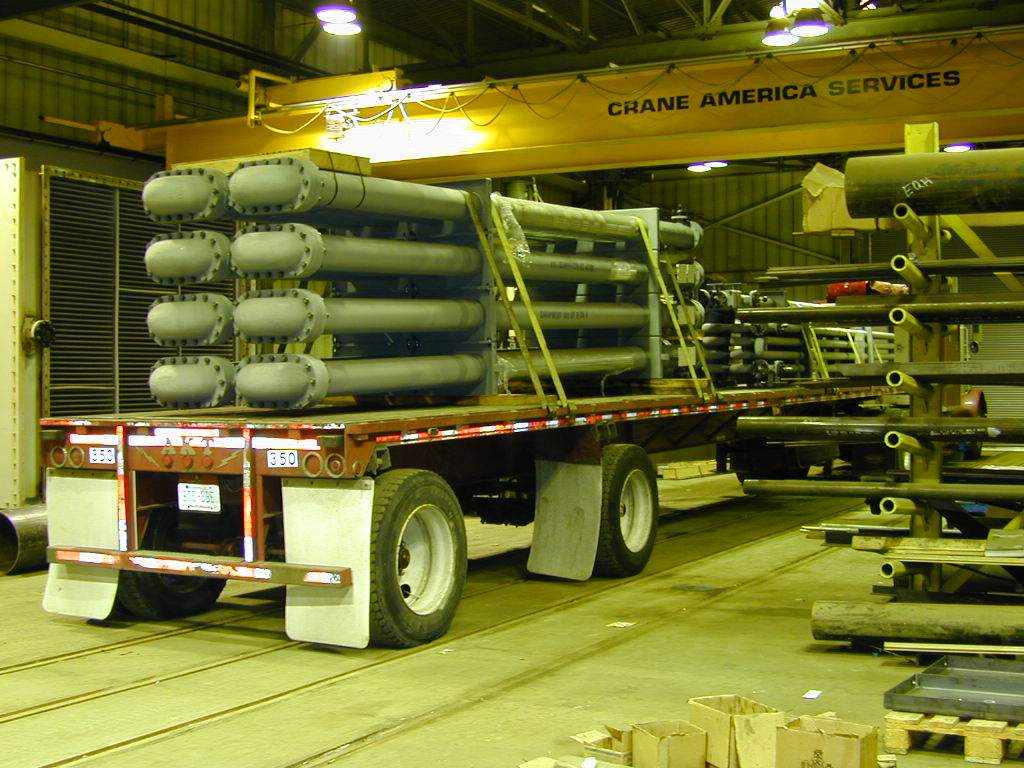
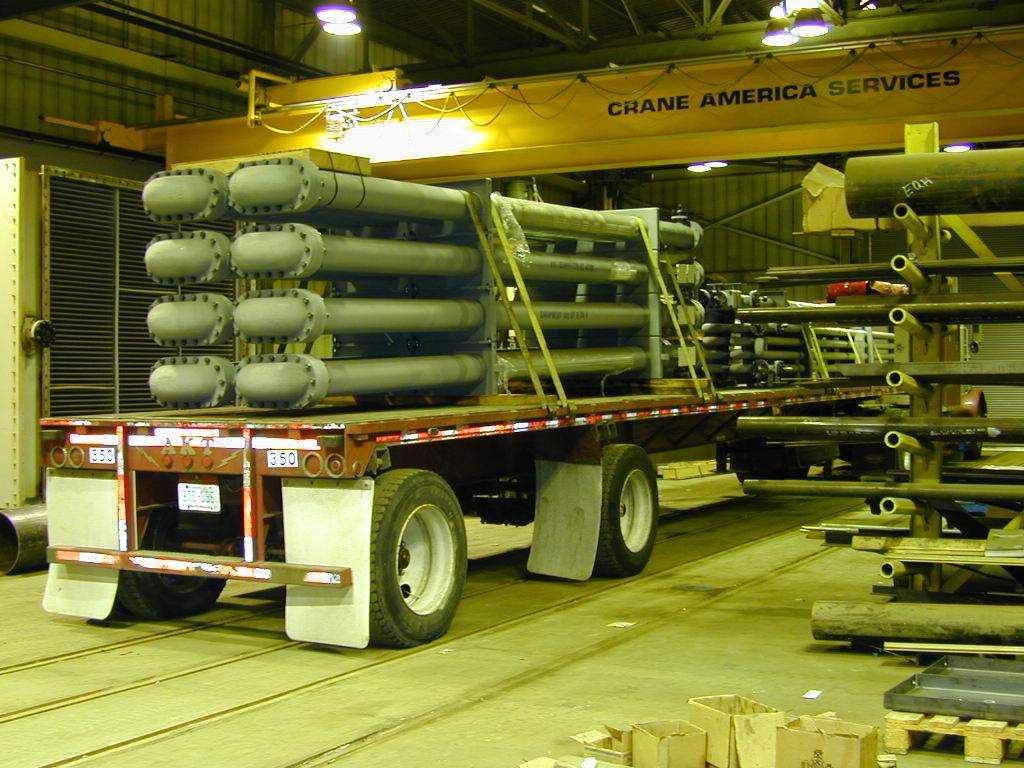
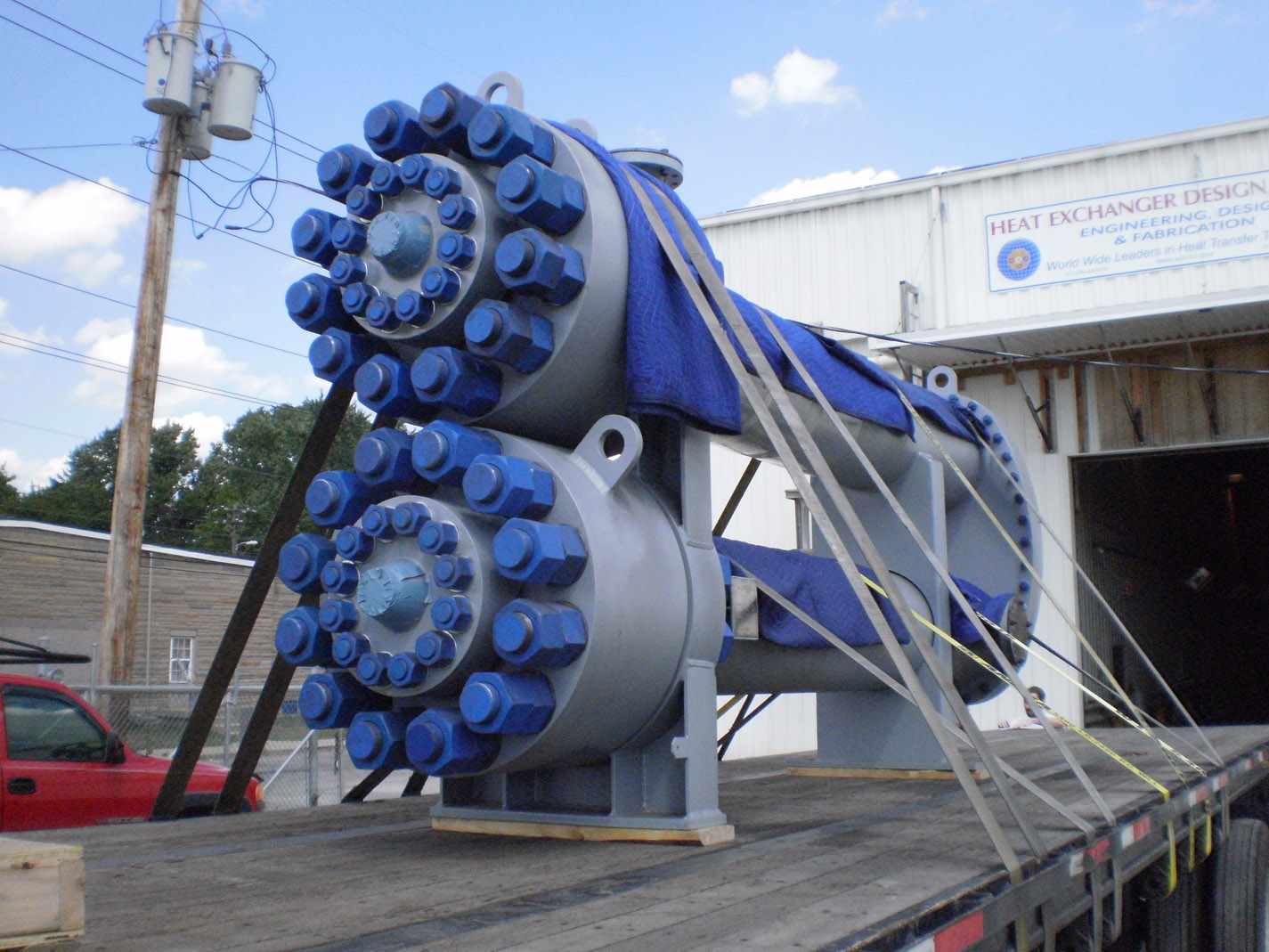
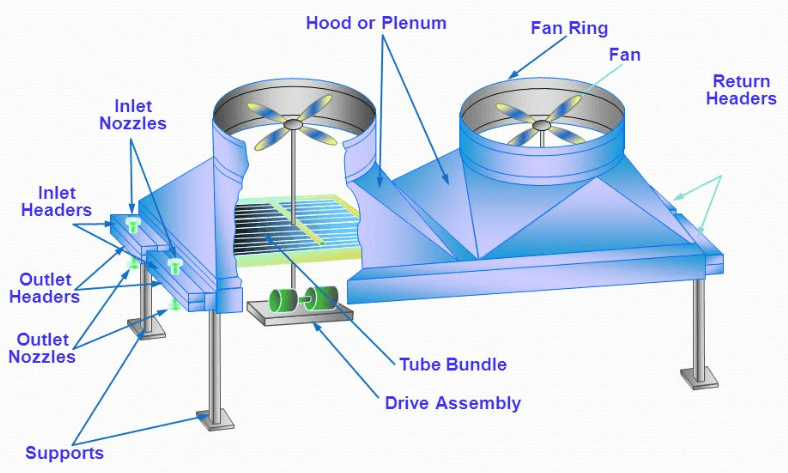
Heat exchangers comprise multitudinous connected corridor, each serving a specific purpose in the heat transfer process. The tube pack, frequently considered the heart of shell-and-tube heat exchangers, consists of multiple tubes through which one fluid flows while another fluid flows around them in the shell. These tubes must be manufactured to precise specifications to insure optimal heat transfer portions and structural integrity under varying temperature and pressure conditions.
The shell itself provides the constraint vessel for the secondary fluid and must repel significant mechanical stresses. Baffles within the shell direct fluid inflow across the tube pack, adding turbulence and thereby enhancing heat transfer effectiveness. Without duly designed and deposited baffles, fluid would take the path of least resistance, performing in poor heat transfer performance and reduced effectiveness.
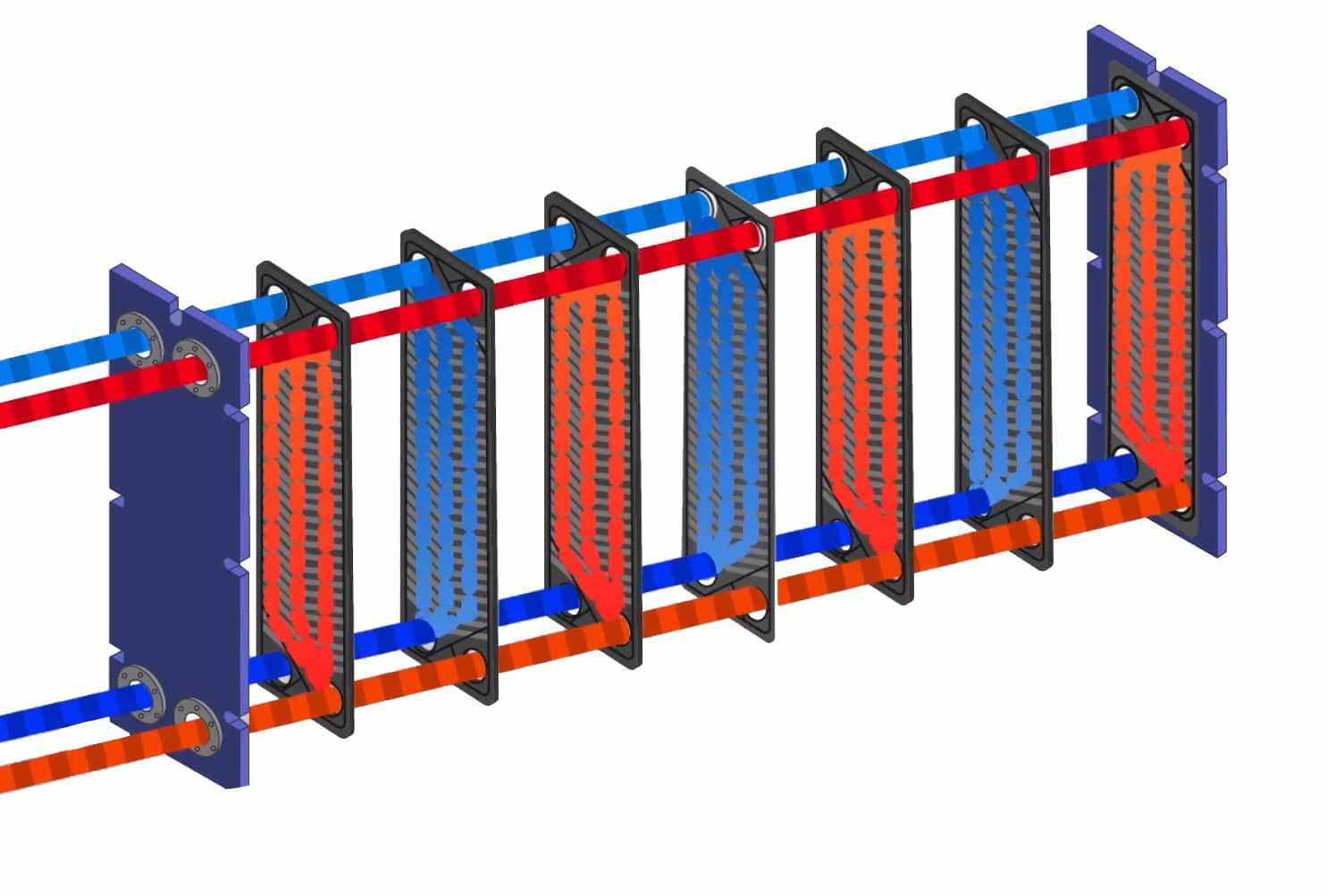
Tube wastes serve as the foundation where tubes are secured, creating a pressure boundary between the shell side and tube side fluids. The integrity of tube-to-tubesheet joints is consummate, as any failure at these connections can lead tocross-contamination of fluids or disastrous outfit failure. Channel heads and covers give access for conservation and cleaning while maintaining system pressure integrity.
Gaskets and seals help fluid leakage and maintain separation between different pressure zones within the heat exchanger. These putatively simple factors play a critical part in system trustability, as gasket failure remains one of the most common causes of unplanned shutdowns in artificial installations.

Critical Considerations for element Selection
picking applicable heat exchanger corridor requires careful consideration of multiple factors. Material comity with process fluids stands as the primary concern. sharp chemicals, high temperatures, and erosive conditions can fleetly degrade infelicitous accoutrements, leading to unseasonable failure and expensive reserves.
Stainless sword blends offer excellent erosion resistance for numerous operations, while titanium provides superior performance in largely sharp surroundings similar as seawater cooling systems. Bobby blends deliver exceptional thermal conductivity, making them ideal for operations where heat transfer effectiveness is consummate. Carbon sword remains popular for lower demanding operations due to its cost-effectiveness and acceptable performance characteristics.
Pressure and temperature conditions must align with operating conditions while furnishing applicable safety perimeters. Underspecifying factors to reduce original costs frequently results in unseasonable failures and advanced total cost of power. Again, inordinate overdesign increases capital expenditure without furnishing commensurable benefits.
Flow characteristics impact element selection significantly. High-haste fluids can beget corrosion-erosion, particularly at bends and restrictions. opting accoutrements and designs that minimize corrosion while maintaining heat transfer effectiveness requires balancing contending objects through careful engineering analysis.
Conservation Stylish Practices for Optimal Performance
Implementing robust conservation practices extends outfit life and maintains heat transfer effectiveness. Regular examination programs should identify developing problems before they affect in failures. Visual examinations can descry external erosion, leaks, and mechanical damage, whilenon-destructive testing styles similar as ultrasonic consistence measures and eddy current testing reveal internal declination not visible to the naked eye.
drawing represents one of the most important conservation conditioning for heat exchangers. Fouling — the accumulation of deposits on heat transfer shells precipitously reduces effectiveness and increases pressure drop. Establishing applicable cleaning intervals grounded on fouling rates prevents inordinate buildup while avoiding gratuitous conservation interventions. Chemical cleaning, mechanical cleaning, and high-pressure water jetting each offer advantages for different fouling types and heat exchanger configurations.
Gasket relief should follow manufacturer recommendations and consider factual service conditions. Operating beyond gasket service life invites leaks and impurity. Maintaining an force of critical gaskets ensures rapid-fire response when relief becomes necessary, minimizing time-out duration.
Tube pack examination and conservation requires particular attention. Individual tubes can fail due to erosion, corrosion, vibration-convinced fatigue, or thermal cycling. Tube plugging provides a temporary result for isolated tube failures, allowing uninterrupted operation while planning comprehensive repairs. still, inordinate tube plugging reduces heat transfer capacity and should spark consideration of tube pack relief or form.

Performance Monitoring and Optimization
nonstop performance monitoring enables visionary conservation and optimization. Installing temperature and pressure instrumentation at crucial locales provides data for calculating factual heat transfer rates and comparing them against design specifications. Declining performance indicates developing problems taking disquisition and correction.
Thermal performance testing establishes birth conditions and quantifies declination over time. Regular testing identifies trends and supports data-driven conservation opinions. Rather than counting solely on time-grounded conservation schedules, condition-grounded approaches touched off by factual performance declination optimize conservation resource allocation.
Pressure drop monitoring across heat exchangers reveals fouling progression and mechanical restrictions. adding pressure drop indicates growing resistance to inflow, generally caused by deposit accumulation or mechanical damage reducing inflow area. Tracking pressure drop trends supports optimal cleaning schedule determination.
Sourcing Quality Heat Transfer outfit
The quality and trustability of heat exchanger factors directly impact functional performance and conservation conditions. Partnering with estimable suppliers who understand artificial operations and give comprehensive specialized support ensures access to applicable factors and expert guidance. When seeking dependable sources for heat transfer outfit and relief corridor, installations benefit from working with established manufacturers who offer expansive product registers and specialized moxie.
For comprehensive selection of artificial heat exchange results, professionals can explore options, where a wide range of heat transfer outfit and factors are available to meet different artificial conditions. penetrating quality factors from knowledgeable suppliers supports both new installations and ongoing conservation programs.
Unborn Considerations and Emerging Technologies
The field of heat exchange technology continues evolving, with inventions in accoutrements, designs, and manufacturing ways offering bettered performance and trustability. Advanced coatings reduce fouling and enhance erosion resistance. cumulative manufacturing enables complex shapes that optimize inflow patterns and heat transfer. Computational fluid dynamics tools allow detailed analysis and optimization before physical construction.
Staying informed about arising technologies and stylish practices positions artificial installations to subsidize on advancements while maintaining dependable operations with being outfit. Balancing invention relinquishment with proven traditional approaches requires careful evaluation of benefits, pitfalls, and costs.
Conclusion
Heat exchanger corridor play an necessary part in artificial thermal operation systems across different sectors. Understanding element functions, enforcing applicable selection criteria, and executing comprehensive conservation programs ensures dependable, effective heat transfer operations. By fastening on quality factors, visionary conservation, and performance monitoring, artificial installations maximize outfit lifetime, minimize unplanned time-out, and optimize energy effectiveness. As artificial processes come decreasingly sophisticated and effectiveness demands continue growing, the significance of proper heat exchanger element operation only intensifies, making it essential for installations to invest in knowledge, quality corridor, and professional moxie to maintain competitive operations.



Write a comment ...